Culture
Space to grow
Designed by Jacques Herzog with gardens by Piet Oudolf, Calder Gardens is an unconventional, ever-changing space celebrating the boundary-pushing art of Alexander Calder... just don’t call it a museum. Magali Robathan digs deep



I have never worked on anything like this before,” says Jacques Herzog, the architect responsible for the new Calder Gardens in Philadelphia, US. “There was literally no brief. I felt like an artist, waking up every morning without someone telling me what to do. Architecture is never this free.”
Calder Gardens celebrates the work of 20th century boundary-pushing sculptor Alexander ‘Sandy’ Calder, best known for his kinetic, abstract ‘mobiles’, and monumental public installations. Opened in October 2025, it comprises a series of new interconnected gardens designed by landscape architect Piet Oudolf, and an understated, partially buried building by Herzog and de Meuron. It is described variously as a cultural destination, an urban sanctuary and an oasis for personal introspection. One thing it definitely isn’t, according to the architects and the client, is a museum.
Instead, it has been designed as an ever-evolving space which can be visited many times, with the gardens changing over time and the underground galleries featuring a rotating installation of Calder’s works. There are no exhibitions, no labels, no tours – just “a sequence of gardens by Piet Oudolf and a sequence of rooms by Jacques Herzog where you can experience Calder’s work,” according to Sandy Rower, Calder’s grandson and president of the Calder Foundation.
A long time coming
Plans for a Calder museum have been in the works since the late 1990s, when then Philadelphia Mayor Ed Rendell approached Sandy Rower with a proposal to build an institution dedicated to the artist in his birth city. The proposal was to build a museum on Philadelphia’s Benjamin Franklin Parkway, which was already home to artworks by Sandy’s father Stirling Calder and his grandfather Milne Calder, both famous Philadelphia sculptors.
Rower agreed, and plans were commissioned from architect Tadao Ando, but the project was abandoned in 2005 due to failed fundraising and disagreements with the Calder Foundation over the artworks.
Fast forward to 2018, when philanthropist Joe Neubauer phoned Sandy Rower with a new proposal. By this point, Rower had decided that a traditional museum was entirely the wrong place for the public to experience his grandfather’s art.
“I don’t like mausoleums, and the 19th-century model of a museum, which is still the predominant model, is not something that has ever resonated for me,” he says. “I told them I had no interest in a museum. And they were like, “Well, then what would you do?” I said, “Well, maybe I would make a chapel.”
After attending a wedding at Le Corbusier’s Chapelle Notre-Dame-du-Haut in Ronchamp, France, Rower had developed the idea of a secular sacred space where the public could experience Calder’s work in a natural and undirected way. This vision excited architect Jacques Herzog, who had been working on an idea for a motorway chapel in Switzerland for years, and he met with Rower and agreed to take on the project.
I don’t like mausoleums, and the 19th-century model of a museum is not something that’s ever resonated for me
“The way Sandy explained the project to us was wholly unlike a conventional architectural project,” explains Herzog. “It was almost like a work of art. The only thing I knew was that it should be some kind of space for the work of Calder that was not a museum. There was no real brief or programme, not even a precise site or zoning.”
Natural evolution
The decision to put the main galleries underground came partly from the constraints of the site. A small, awkwardly shaped patch of land sandwiched between two highways, it was a ‘leftover space without much obvious charm,” according to Herzog & de Meuron.
Herzog also wanted to avoid creating a building that might compete with Alexander Calder’s artwork.
“I became aware that the work of Calder is so much about form and about colour, which is also what architecture does,” he says. “I didn’t want to do anything in architecture that evoked the work of Calder. I decided to focus more on space than on form.
“That’s how I eventually oriented myself to the below-grade areas and digging and discovering, step by step, the spaces that make the structure. The more we worked on the idea of space rather than of volume and form, I became aware of the need for plants and nature. The idea of gardens, and of a sunken garden especially, suggested that the natural world should play a big role.”
Dutch landscape artist Piet Oudolf got involved in the project in 2020, after meeting Sandy Rower at Hauser & Wirth in Somerset, where Oudolf had created a 1.5 acre garden to complement the contemporary art gallery.
“I assumed it was going to be a museum for Calder,” says Oudolf. “But then later in the ongoing conversation, when I met Sandy in Roxbury, Connecticut, with his family, he showed me around his grandfather’s studio and I saw the big Calder pieces in the field, and I had one of those moments when you think, “Oh, wait, this is something different. This could be great.”
Space to reflect
The result of this collaboration opened to the public in November 2025, almost three decades after the idea for a Calder institution in Philadelphia was first mooted.
When seen from the Parkway, a reflective metal wall clads the building and forms a backdrop to a public meadow-style gardens. This tapering wall reflects the gardens, blurring the boundaries between the building and its surroundings, and also reduces traffic noise from the busy roadway. Pathways lead visitors through the gardens towards a central disk, which forms a plaza and acts as a roof to the galleries below it. A wood-lined lobby leads to a sunken gallery, where Calder’s works include a large, hanging black metal mobile, and a giant red curved stabile.
From here, visitors descend further via dark, cave-like stairs to a series of spaces displaying Calder artworks. These include the Highway Gallery – a mezzanine level offering views from above of the mobiles displayed in the lightfilled Tall Gallery from above – and the Open Plan Gallery, which is set under the silver disk.
Two circular sunken gardens display further works by Calder via windows from the main building.
The building is surrounded by 1.8 acres of gardens designed by Oudolf, comprising seven distinct areas: the west woodland garden, east and west perennial meadows, prairie matrix, robust border, circle entrance garden, and vestige and sunken gardens. Planted with 250 varieties of native and perennial plants and flowers, these spaces have been designed as places to rest and reflect, and will change and mature over the coming years.
“It’s all going to evolve, in ways that we don’t yet know and that we can’t predict,” says Rower.
“The strategy is to allow the place to tell us when it needs something else.”
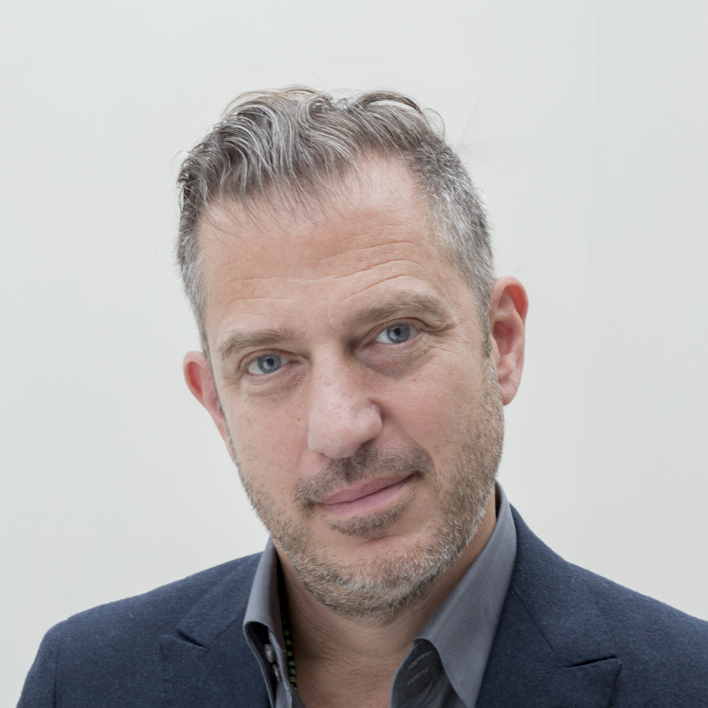
It’s all going to evolve, in ways that we don’t yet know and that we can’t predict
– Sandy Rower
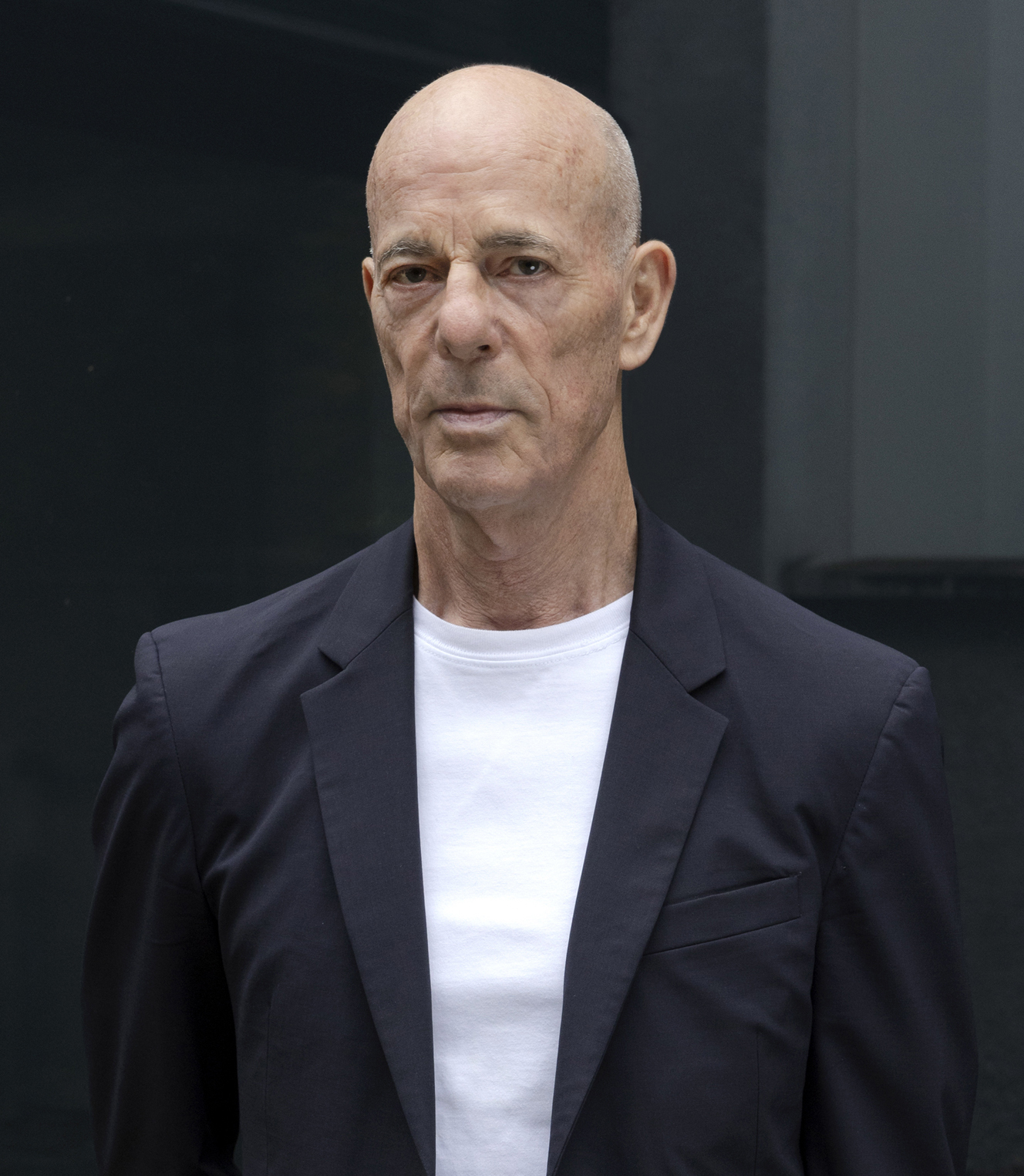
There was no brief. I felt like an artist, without someone telling me what to do. Architecture is never this free
- Jacques Herzog
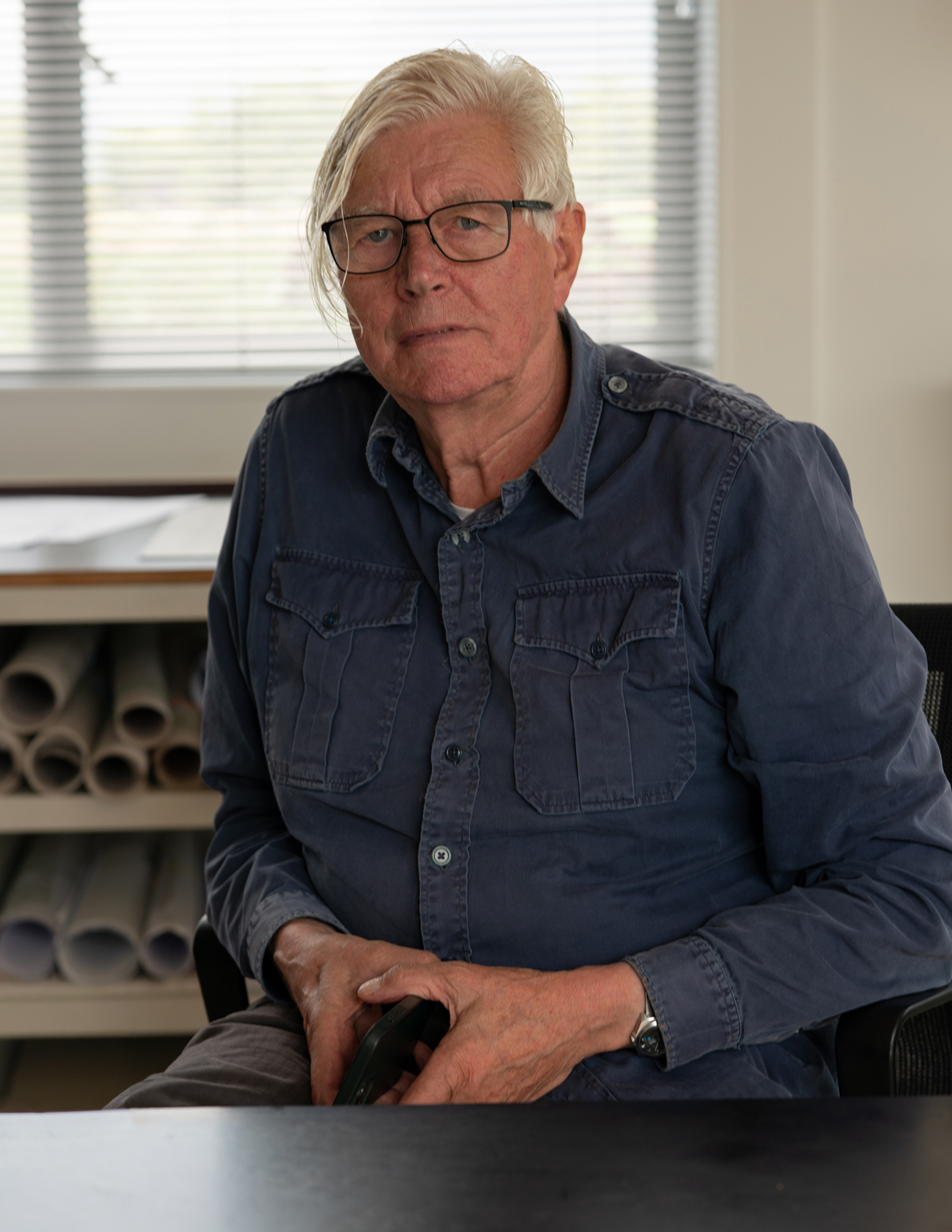
I had one of those moments when you think, ‘This is something different. This could be great’
– Piet Oudolf



Designed to restore neglected land and renew the identity of Iraq’s capital city, Baghdad Sustainable Forests promises a new way of living surrounded by nature. Gensler’s Ian Mulcahay tells us why he thinks the project could become a model for the repair and enhancement of urban centres