Sport
The era of the stadium district
Sports clubs across the world are reimagining their arenas as focal points open all the time – not just on matchdays. Kim Megson explores some of the projects set to reinvent sports architecture



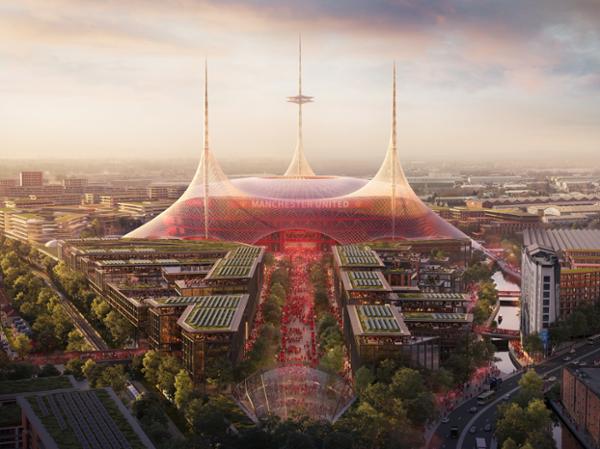
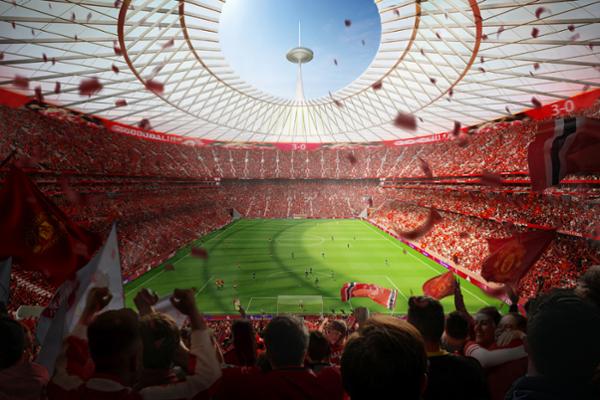
Not long ago, on a regular Tuesday in mid-March, phones across the world buzzed in unison with an unexpected news notification: Man Utd plans to build ‘iconic’ £2bn 100,000-capacity stadium.
For fans of the English footballing powerhouse – or indeed for anyone with even a passing interest in the architecture of sports arenas – this was a moment they had been anticipating for years. Old Trafford, the club’s much loved but increasingly tired 115-year-old home, has long been earmarked for redevelopment, with persistent rumours about plans to create a new ‘Wembley of the North of England’. No concrete details had ever been made public though, until then.
The unexpected release of in-depth information, complete with prospective time-frames and shiny new visuals, has led to a lot of excitement and a lot of questions. The extraordinary scale of ambition, eye-watering price tag and instantly memorable design concept dominated headlines, social media feeds and pub conversations for days.
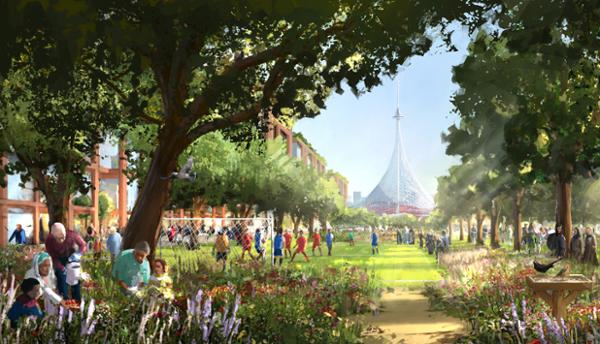
Global architects Foster + Partners, whose founder Lord Norman Foster was born and raised in Manchester, are behind the vision, which imagines a 100,000-seat stadium and a public plaza draped in a huge translucent canopy, supported by three soaring masts inspired by the club’s trident emblem. The new Old Trafford, they say, will sit at the heart of a district being masterplanned as a mixed-use miniature city of the future.
Described by Foster as “one of the most exciting projects in the world today”, the vision has been conceived as a destination for Mancunians and tourists alike, with the central public space alone twice the size of London’s Trafalgar Square.
In terms of global appeal, United co-owner Sir Jim Ratcliffe stated his ambition is to create an international landmark. “Everyone around the world knows the Eiffel Tower: you go to Paris, you stay in Paris, you spend money,” he has said. “We have one billion people around the world who follow Manchester United. I think everybody in the world who’s interested in football will want to visit Old Trafford.”
Since the club’s announcement, details have also emerged of a separate but linked masterplan on the council-owned Wharfside around the stadium. Led by Allies and Morrison, this scheme, described as “a catalyst for social and economic renewal”, will see the one-million square metre brownfield site converted into a mixed-use district of green civic spaces, bridges, waterfront areas and 10,000 homes.
Stadiums of the Future
Manchester United is following the example of many major clubs around the world who have chosen to develop the public realm around their stadiums to activate it through the week. Gone soon, you feel, will be the days where sports grounds exist as grey and barren places on non-match days. In place of empty, litter-strewn concrete concourses, locked up food trucks and foreboding fortress-like barriers could be shops, museums, bars, restaurants, street furniture, basketball courts, fountains and pop-up markets.
Research and placemaking consultancy Future Places Studio predict that clubs “will find new and innovative ways to deliver engaging, inclusive and playful public realm around stadiums.” They argue that “generous public spaces welcome in people from all ages and backgrounds, which can foster a sense of belonging and erode the disconnect between a stadium and local communities.”
To investigate this trend further, CLADmag has rounded up some of the most intriguing new stadium proposals from around the world that have been explicitly designed as districts to be used 365 days a year.

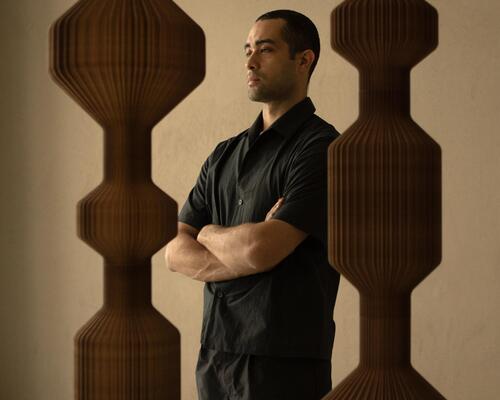
Global architects Foster + Partners, whose founder Lord Norman Foster (pictured) was born and raised in Manchester, are behind the vision, which imagines a 100,000-seat stadium and a public plaza draped in a huge translucent canopy, supported by three soaring masts inspired by the club’s trident emblem.
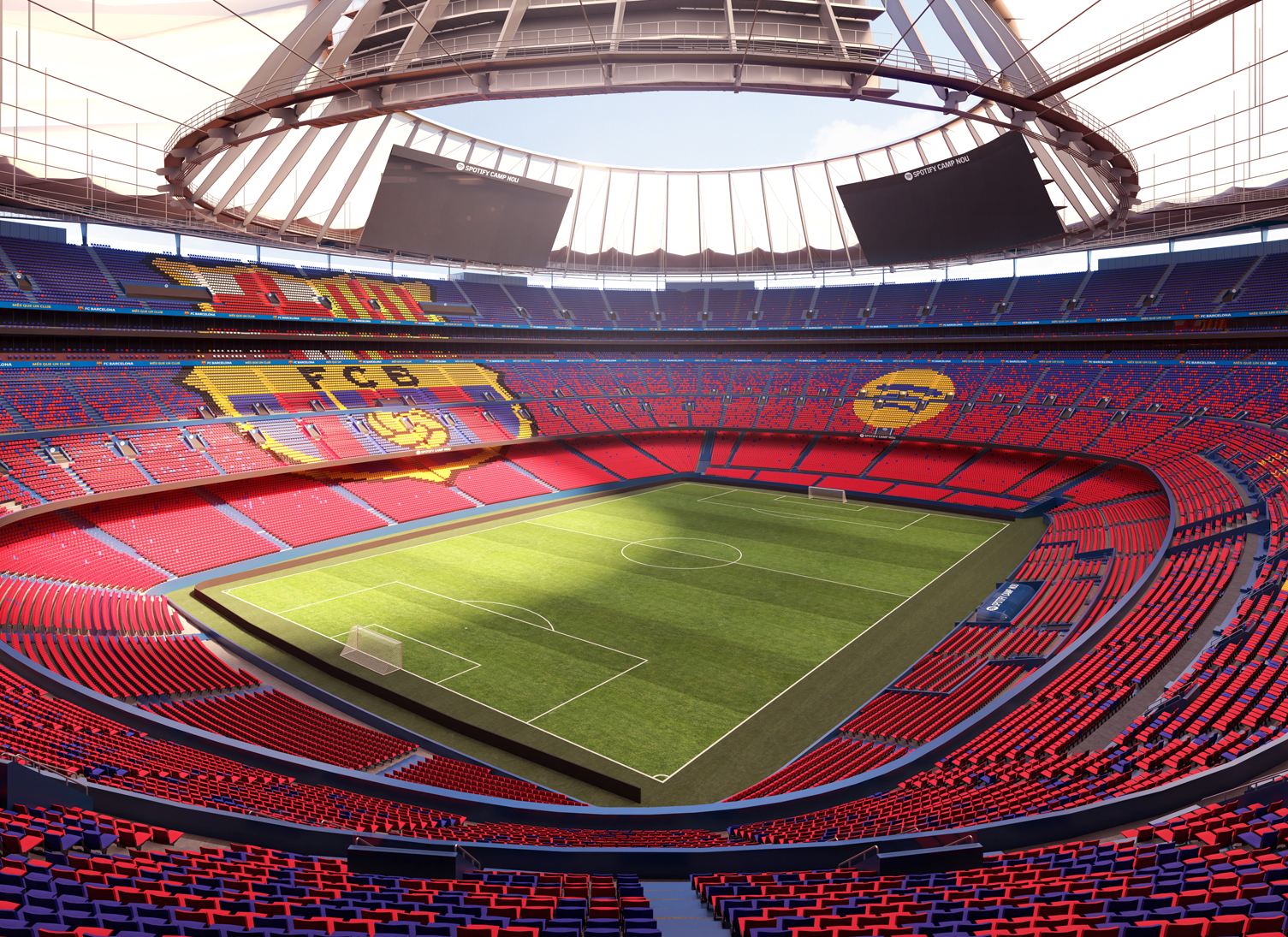
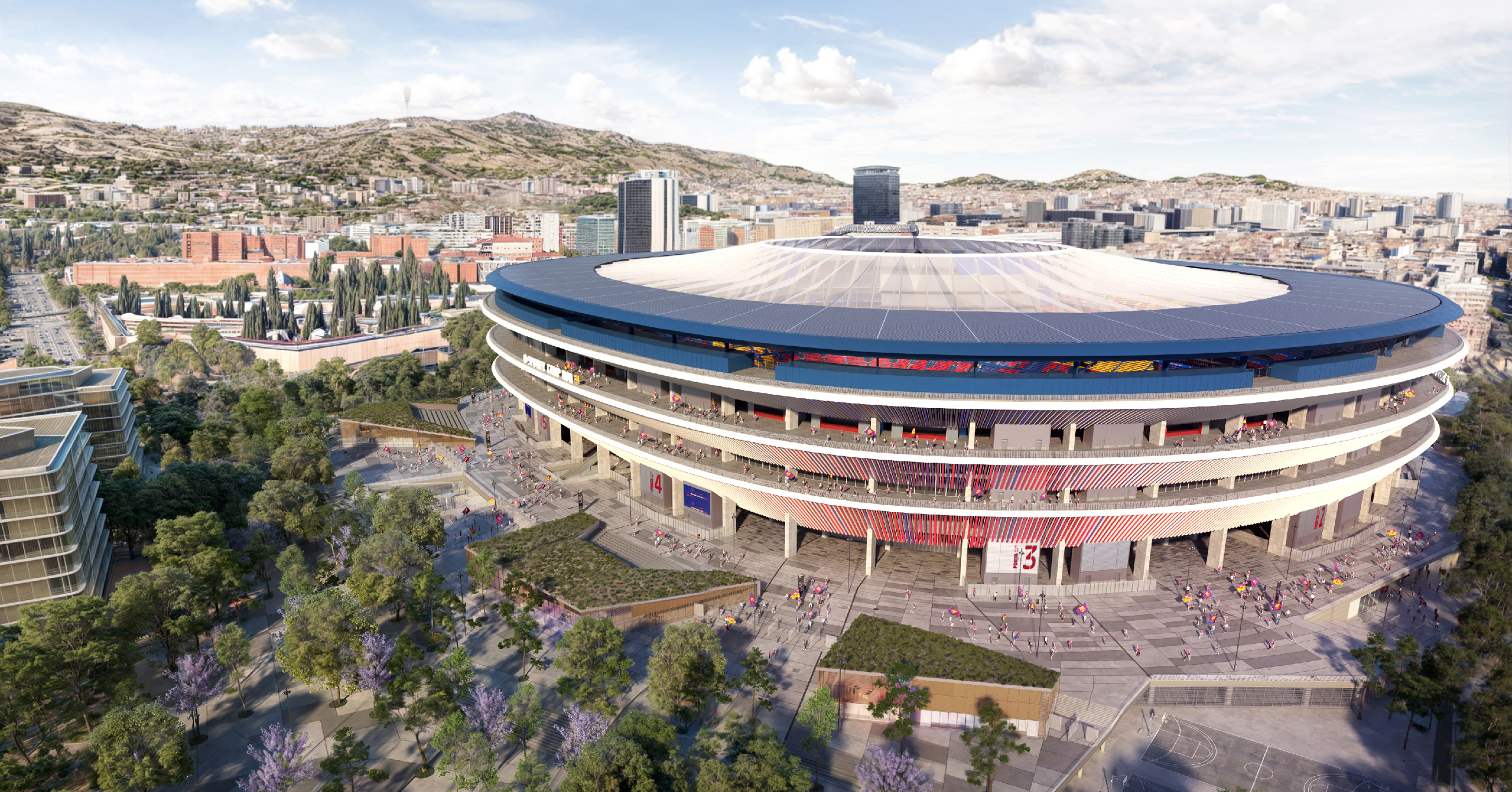
Back in 2015, Japanese architects Nikken Sekkei and Catalan firm Joan Pascual – Ramon Ausio Arquitectes won an international competition to reimagine Barcelona FC’s iconic Camp Nou home, with a design heralded by the jury as “open, elegant, serene, timeless, Mediterranean and democratic.”
A decade on, and a series of delays mean that Barcelona FC’s return to their renovated stadium will happen later than anticipated. However, the new pitch has now been installed and construction work is nearing completion, so the team hopes to return for the next La Liga season.
While the promise of modern facilities, a new tensile roof covered in solar panels and an increased capacity of 105,000 are eye-catching, it’s the ‘public-ness’ of the wider scheme that really captures the imagination.
To reference the “Barca soul”, three skyrings (that glow at night in the club’s colours) will surround the stadium and create wide open-air terraces for visitors to enjoy. Meanwhile amenities typically found in an interior concourse, such as food and beverage stalls, will be placed outside the stadium in polygon shaped buildings. “We analysed the movement of people, and we decided to take away the concourse altogether,” lead architect Takeyuki Katsuya told CLADmag in 2015. “We’ve removed walls and gates to truly open up the stadium.”
The club’s vision is for Camp Nou to be the catalyst at the centre of a new district called Espai Barça that integrates with the city 24/7; a new neighbourhood of restaurants, cafés, sports facilities and the club’s museum, hotel and megastore. Plans also include a new multi-purpose arena for the club’s basketball, roller hockey, handball and futsal teams, as well as an ice rink.
Jordi Moix, who a decade ago was the commissioner in charge of the club’s expansion dreams, promised “a diversified destination for the city” – as popular as the Sagrada Familia. We’ll learn soon if this dream can be a reality.
Populous are the world’s largest architects specialising in stadiums, with a portfolio of high-profile future projects that spans Europe, the US and the Middle East – where they’re designing most of the arenas planned for the 2034 FIFA World Cup in Saudi Arabia.
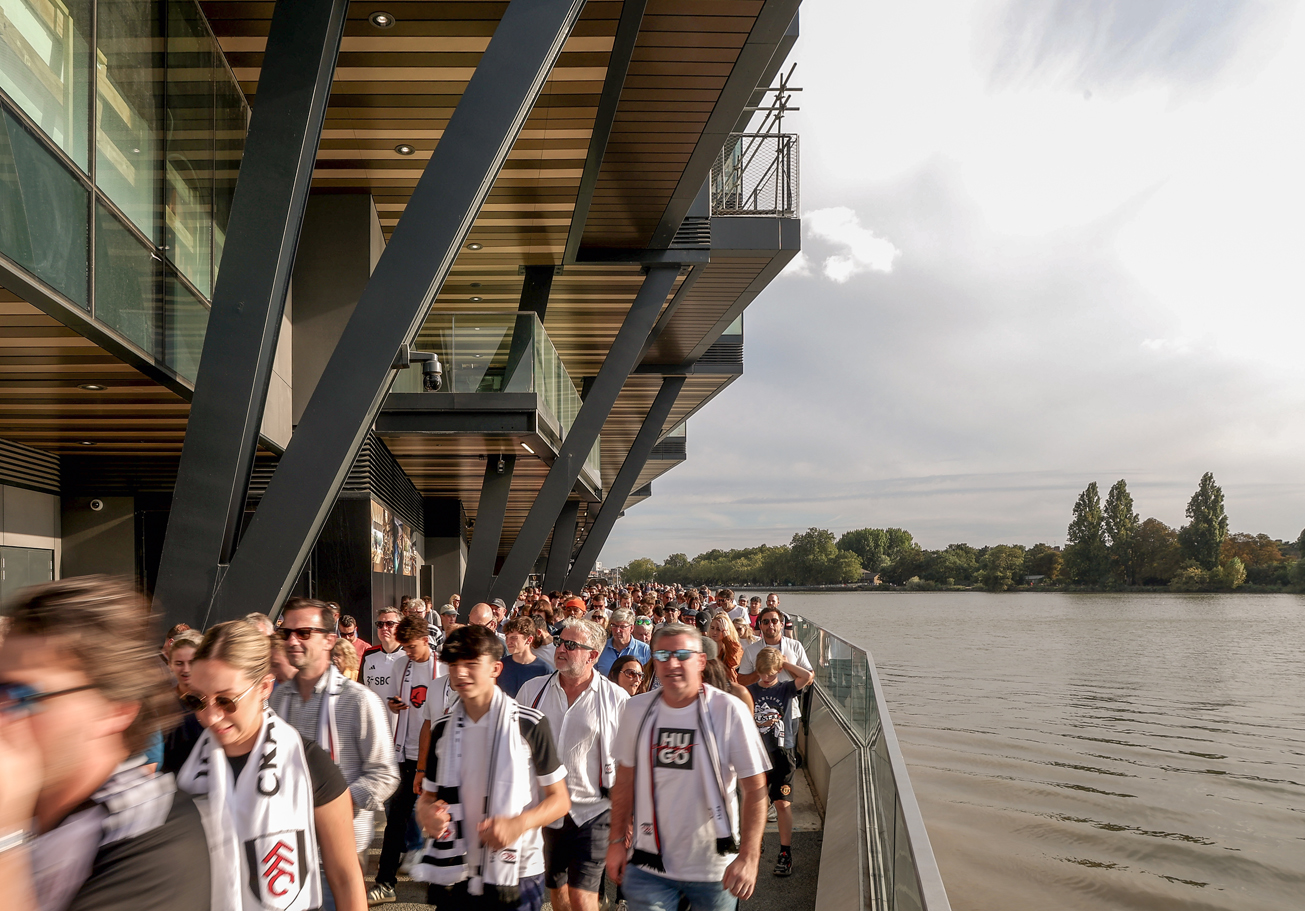
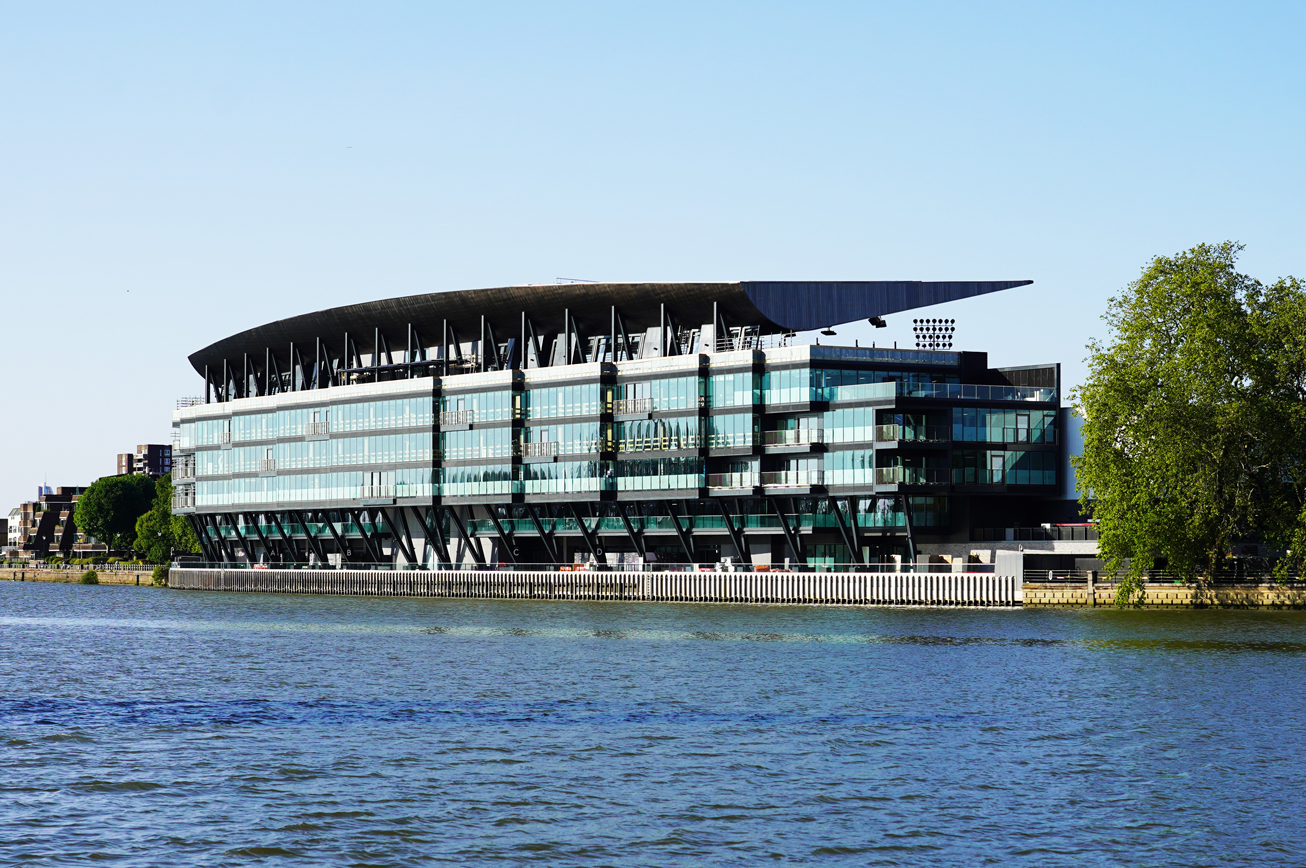
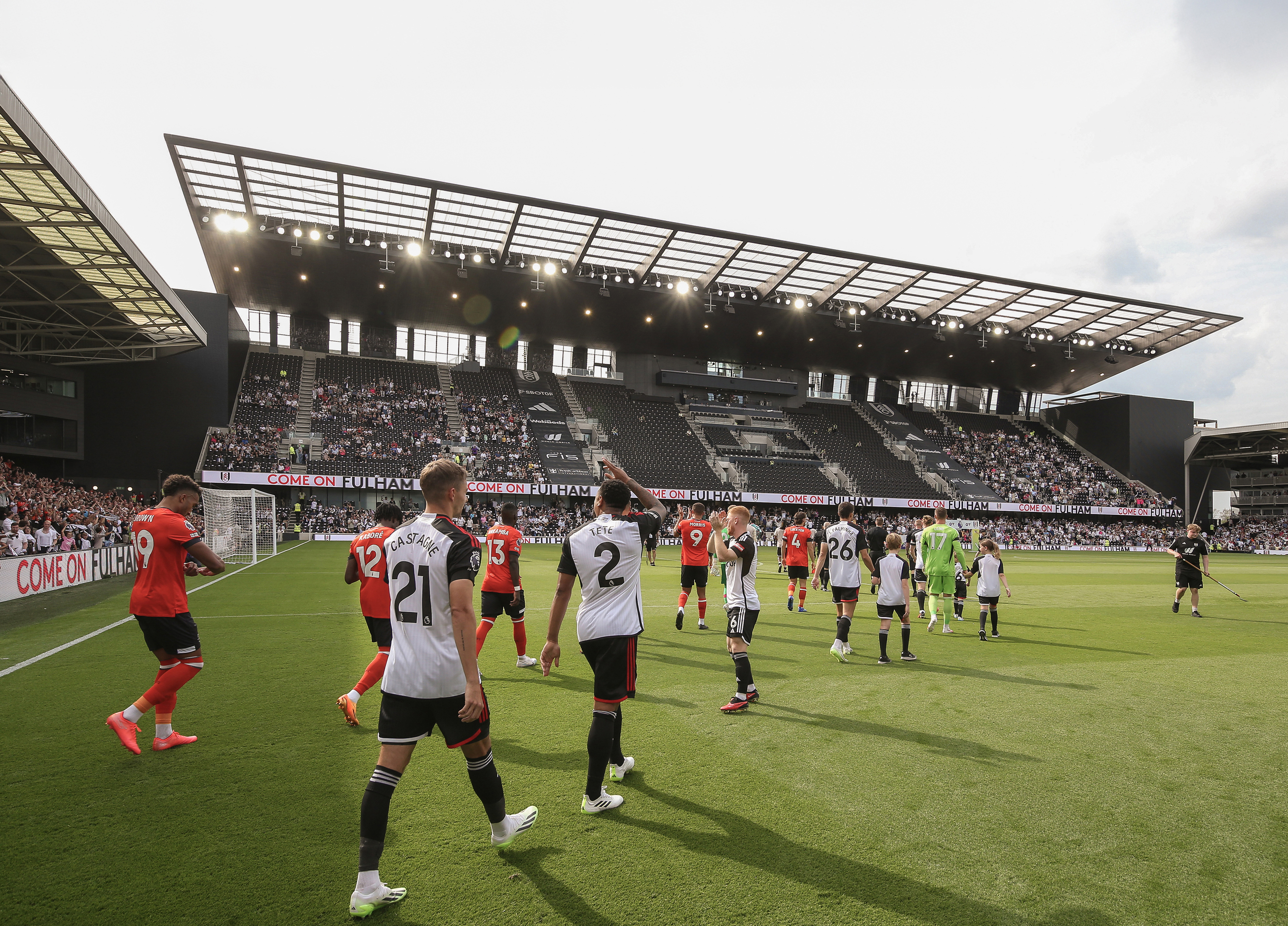
On a somewhat smaller scale, but no less interesting for that, is the practice’s new Riverside Stand for Fulham FC’s Craven Cottage in west London. With room for 8,000 fans, it boosts the overall capacity to 28,500 and has been designed to complement the heritage of a stadium that stands as one of the oldest to have been used continuously in England (Fulham have played there since 1896). However, club executive Glen Sutton has said “if we design with football foremost in mind, we won’t end up with something people want to come to every day of the week.” For that reason, the development has focused on the experience of passers-by.
A new ‘Fulham Pier’ along the Thames between Hammersmith and Putney Bridges has opened for the first time, creating a riverside walk lined with pubs, restaurants and green space. Meanwhile the new stand itself is home to a boutique hotel and a health club, with a rooftop swimming pool overlooking both pitch and river – a European football stadium first. The Riverside Stand opened in May 2025.
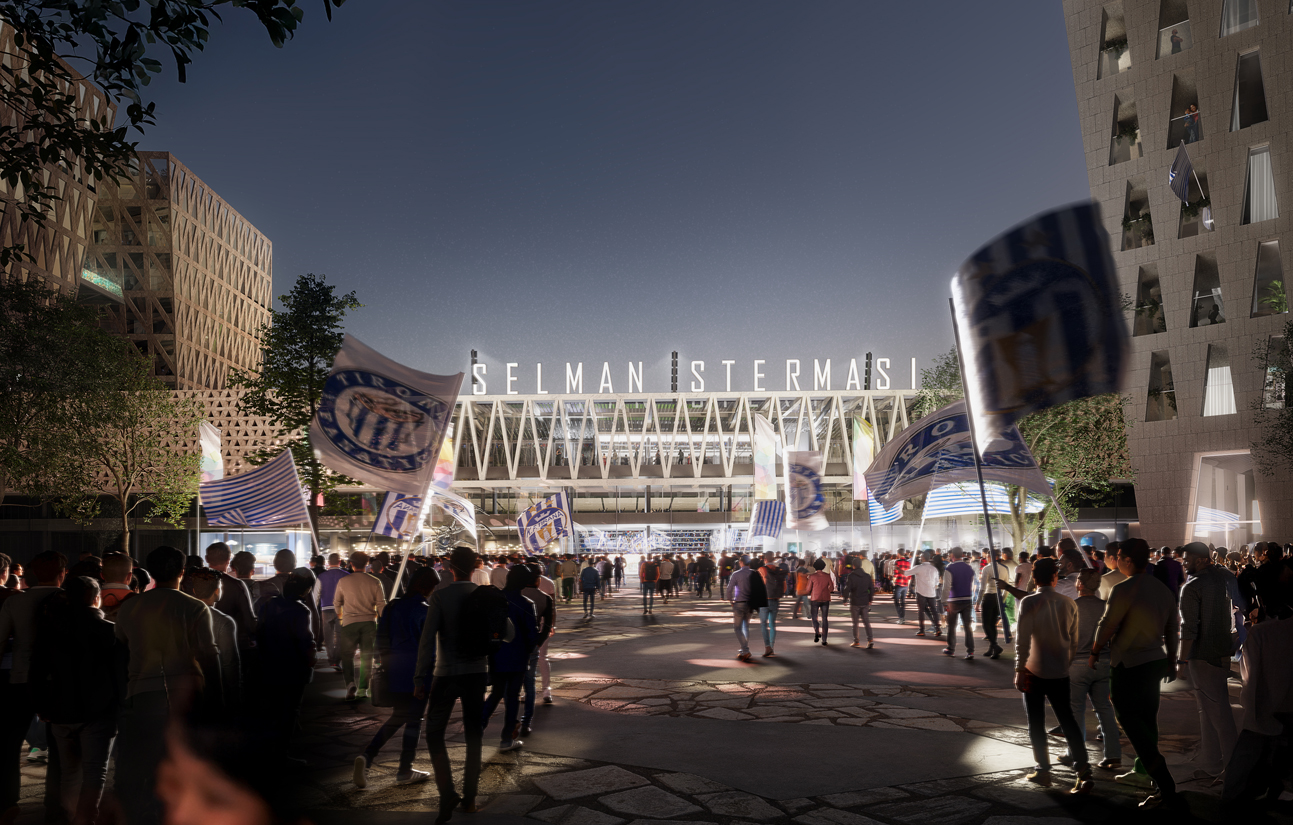
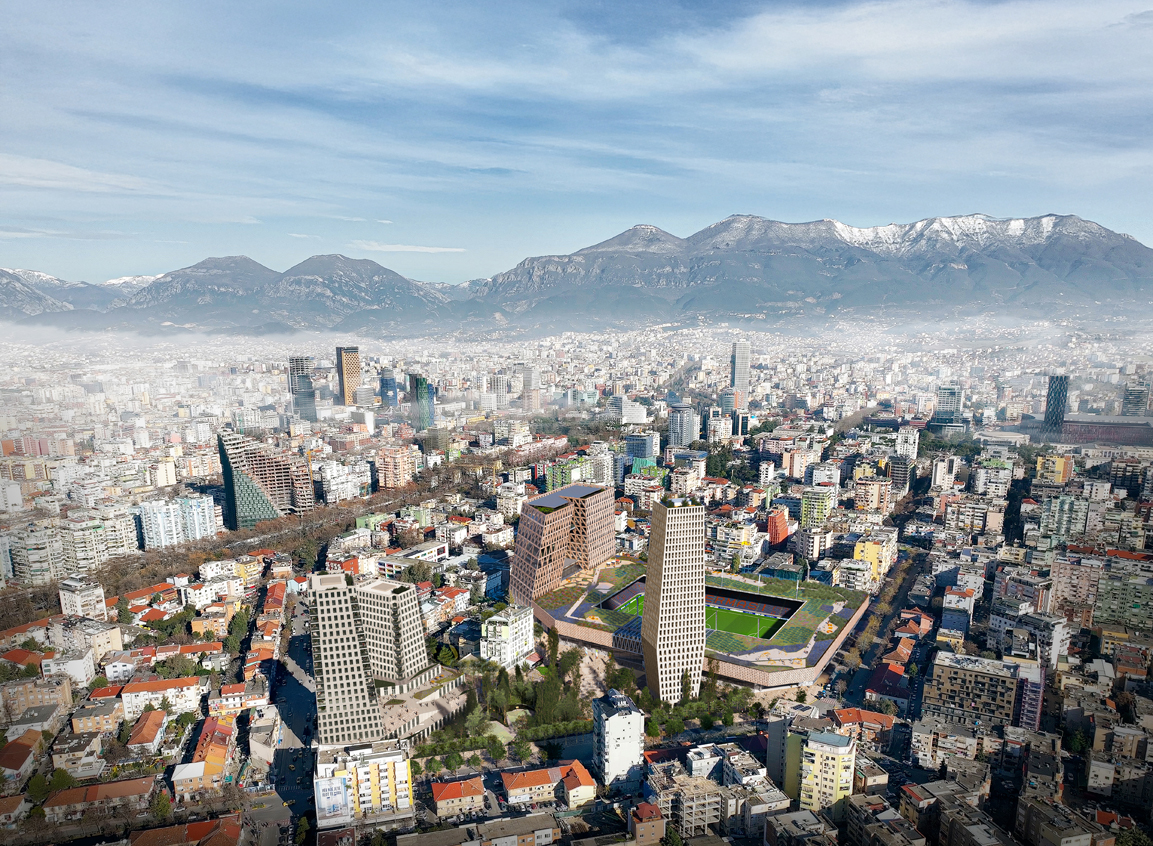
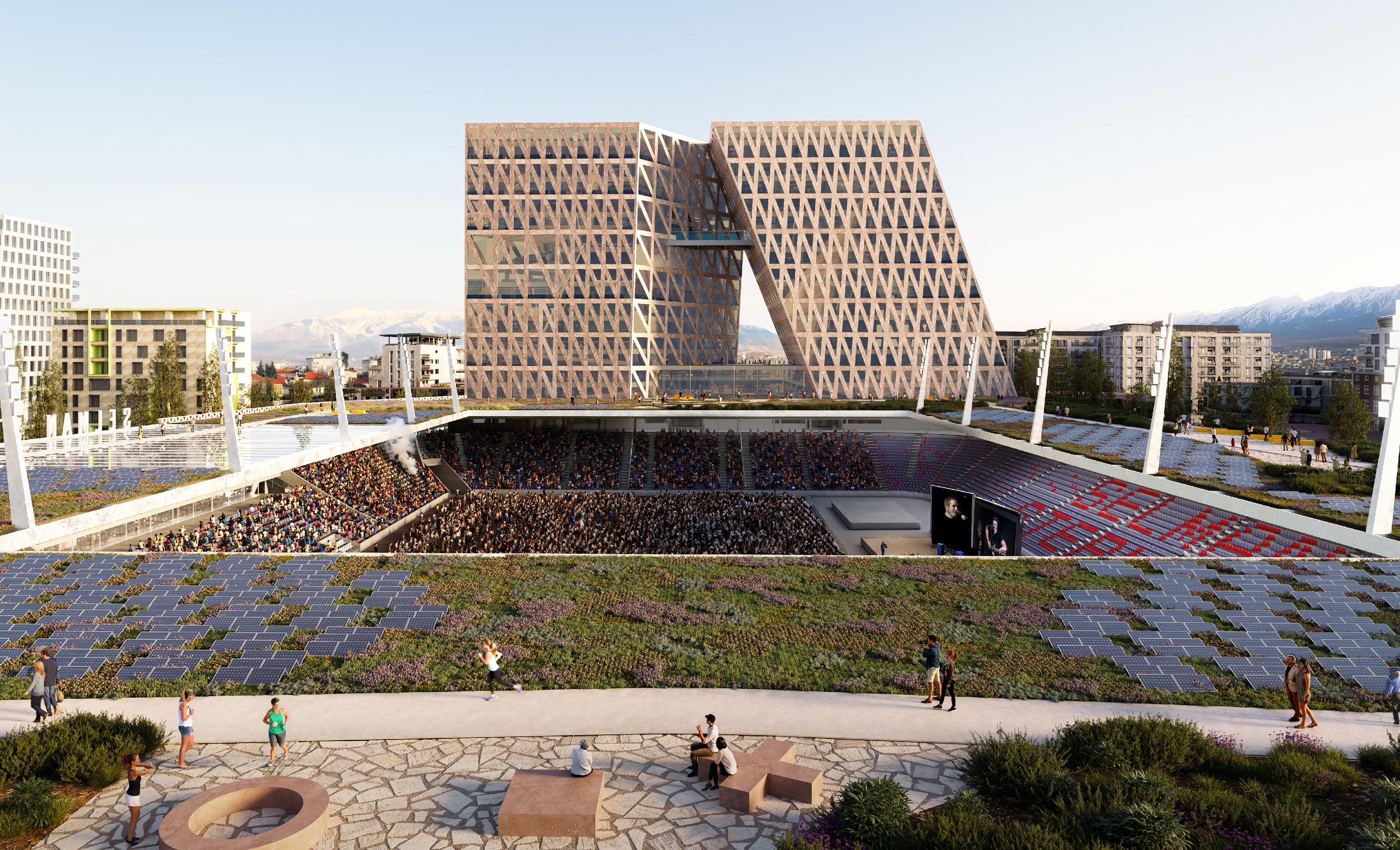
Despite being one of the most renowned architecture firms in the world, OMA have yet to complete a stadium. A popular proposal to redesign Feyenoord’s ground in Rotterdam, first released in 2016, looked like it might come to fruition, but fell through in 2022 with the club citing “enormous uncertainties in the financial commodity markets”. Those wishing to see an OMA stadium in Europe may still be in luck, however, as in April they were selected to redesign the Selman Stërmasi Stadium in Tirana, Albania.
Their intriguing proposal – led, like the Feyenoord design, by partner David Gianotten – creates a new bowl for the existing 1950s home of KF Tirana, but also adds a series of angular towers around the stadium that evoke an urban mountain range. Clad in natural stone and bearing nicknames like ‘The Gorge’ and ‘The Peak’, these buildings will house a hotel, offices, shops, bars, and restaurants. In a typically academic reference, OMA cite the Stadium of Amantia – an Illyrian structure from the third century BCE characterised by stacked stone slabs around an arena – as a key reference.
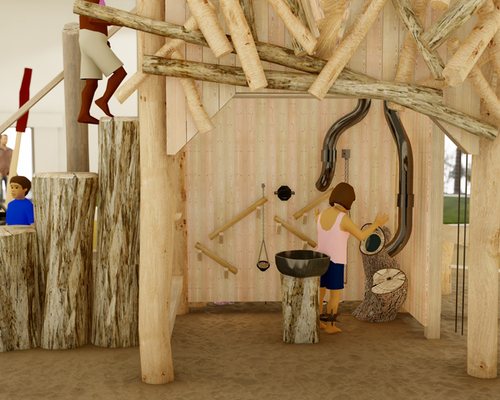
A large triangular plaza will be added for fan zones on match days, and public activation the rest of the week. Plans are also in place for a playground and multi-purpose athletic courts. According to OMA, the development will become part of a new urban block that is a “catalyst for closer connections between different neighbourhoods located on opposite sides of the stadium, emphasizing the role of football as common ground for urban culture.”
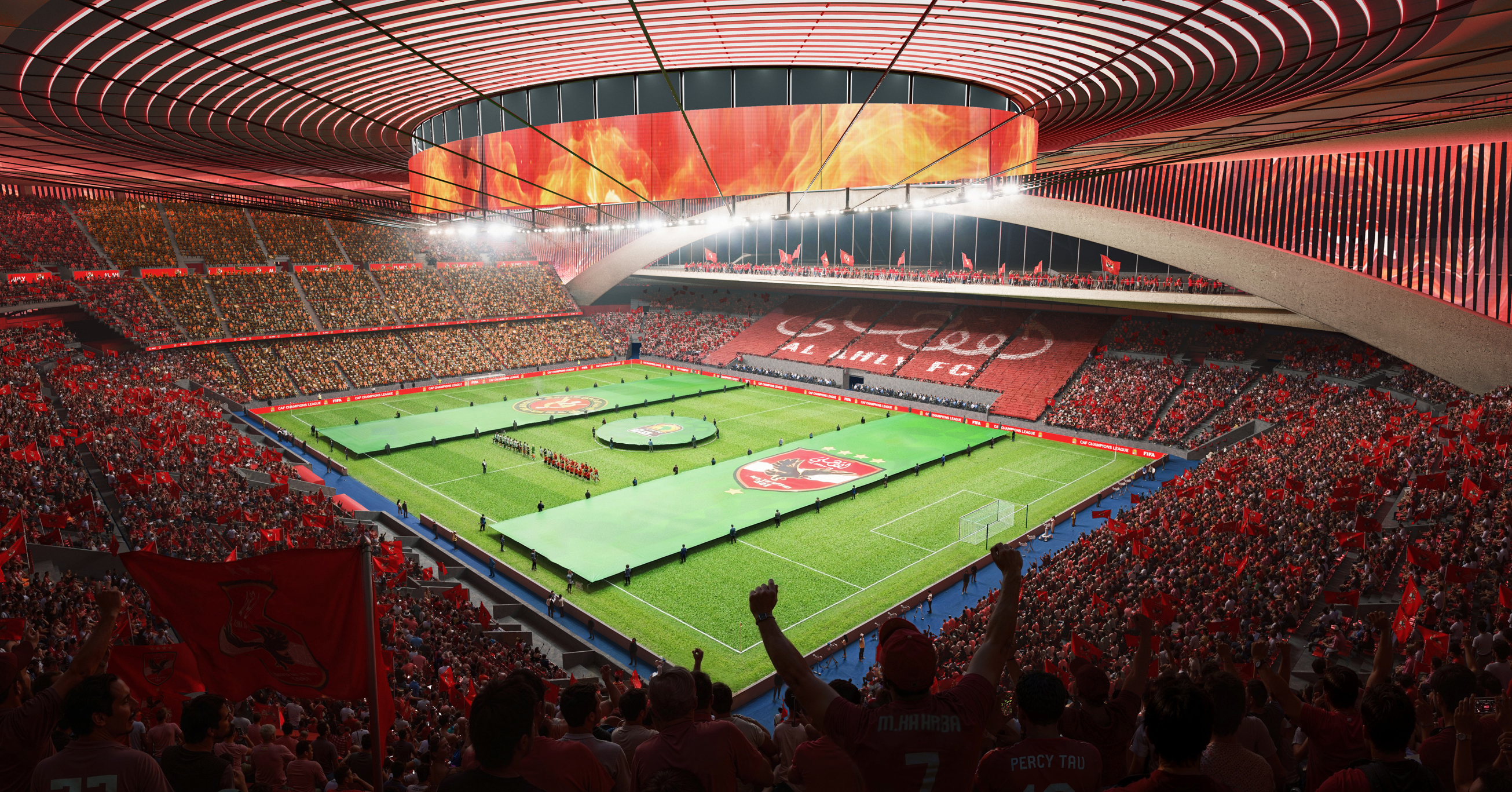
This distinctive 42,000-seat stadium, designed by global giants Gensler, is partially submerged into the earth to keep well clear of flight paths immediately above. The result is a striking sunken arena, with a massive structural arch adding to the drama – as well as making this a symbolic gateway to Cairo.
On arrival, fans of Egypt’s biggest club Al-Ahly will be welcomed into an ‘Owners’ Plaza’, with shops, cafes, a club museum and space for 30,000 people to gather. Elsewhere, there will be concert and event facilities that help make this a “dynamic, year-round venue that transcends football.”
Like others on this list, the ground anchors a wider sports city masterplan, which in this case includes a university, hospital, and mosque. Again, the project team promises “a dynamic, year-round venue that transcends football and drives significant economic growth in the region by attracting sports fans, tourists, and event-goers.”
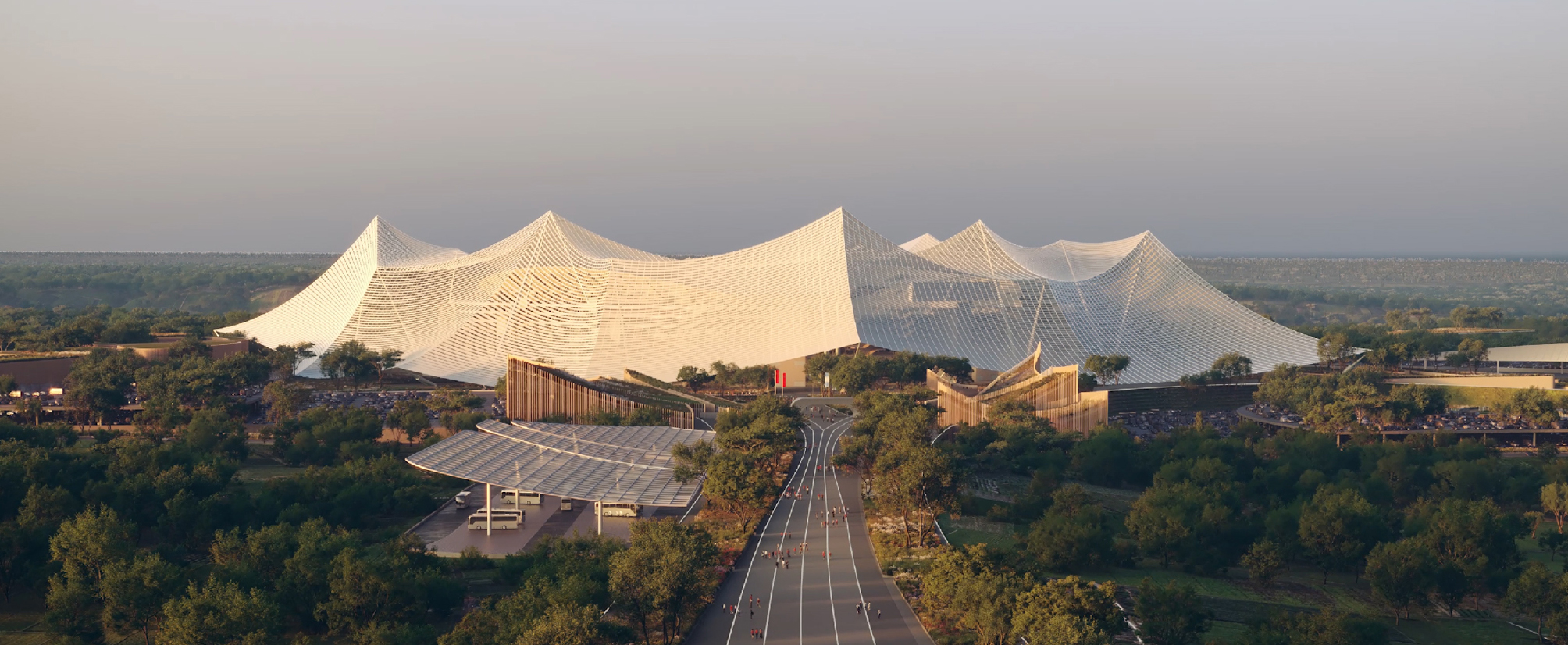
Old Trafford is not the only future stadium set to feature a huge roof canopy, nor is it the largest. That honour goes to Morocco’s forthcoming Stade Hassan II, which is projected to become the biggest football stadium in the world when it opens in 2028 with a capacity of 115,000.
Architects Oualalou + Choi have joined forces with Populous to design the Casablanca project, which is slated to be a key venue at the 2030 World Cup co-hosted by Morocco, Spain and Portugal.
The design takes inspiration from traditional Berber culture, and particularly the social gathering known as a ‘moussem’ – an annual fair where nomadic tribes from across the Sahara gather under hundreds of tent structures. Tarik Oualalou, lead architect for the project, has said the design is “deeply rooted in Moroccan culture, with its traditions and contemporary expressions. It is rooted in ancient and primordial figures: the moussem, the tent, and the garden, as well as the topography and landscapes of Morocco.”
The completed building will feature a cavernous, translucent tented roof made from aluminium lattice. Beneath, huge gateways will lead to gardens positioned on platforms 28 meters above the ground for people to visit.
After the World Cup it will become the memorable new home for local clubs Raja CA and Wydad AC.
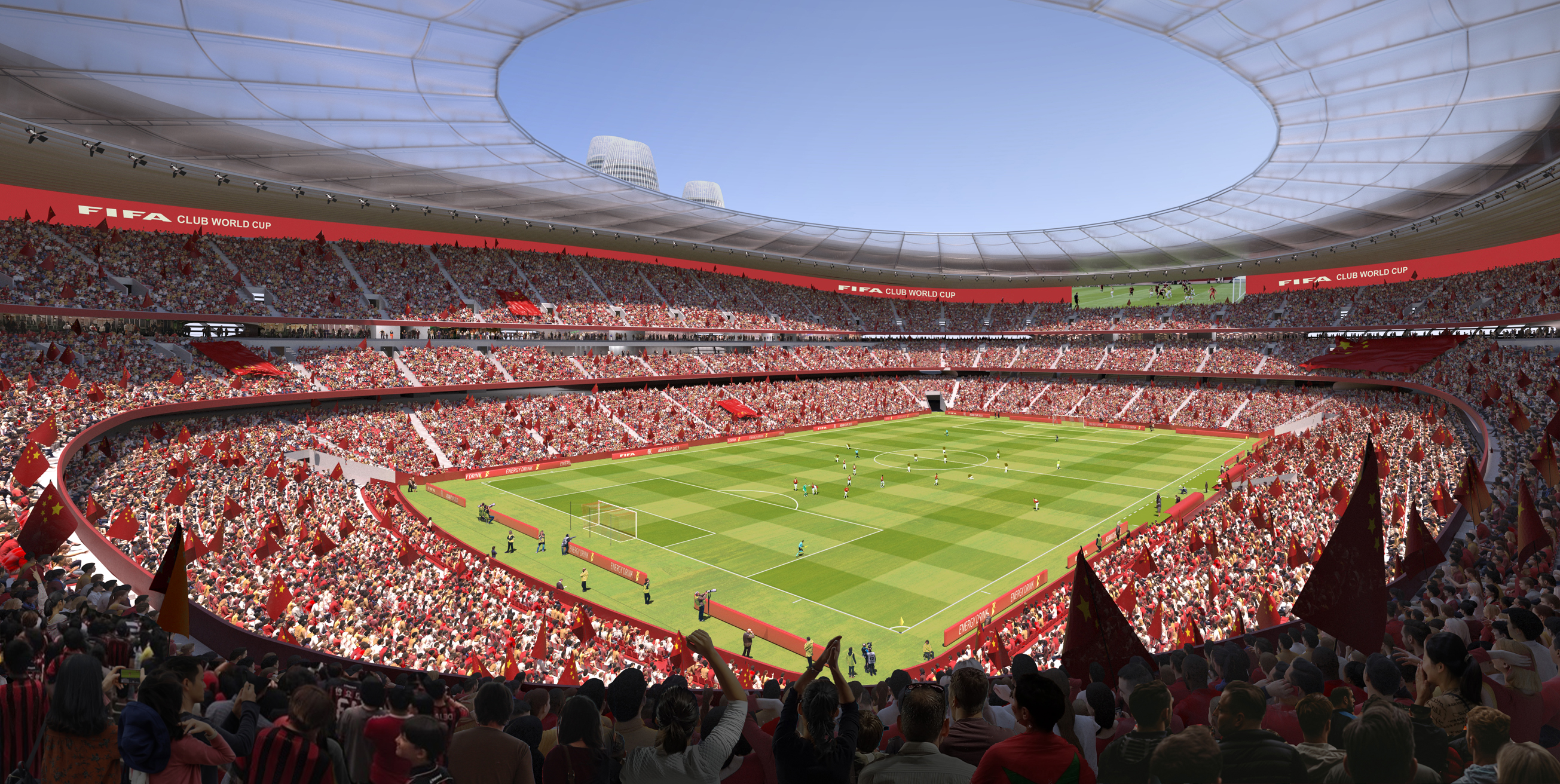
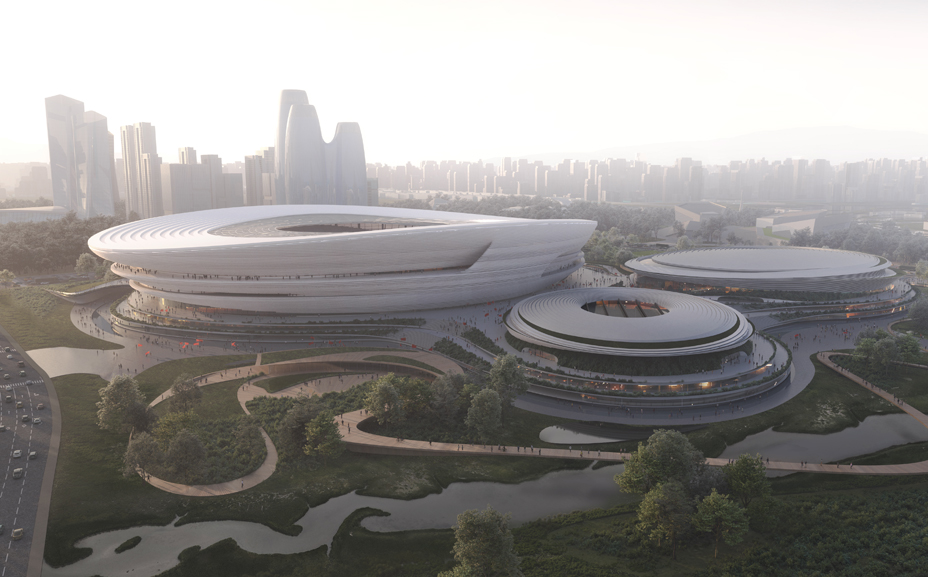
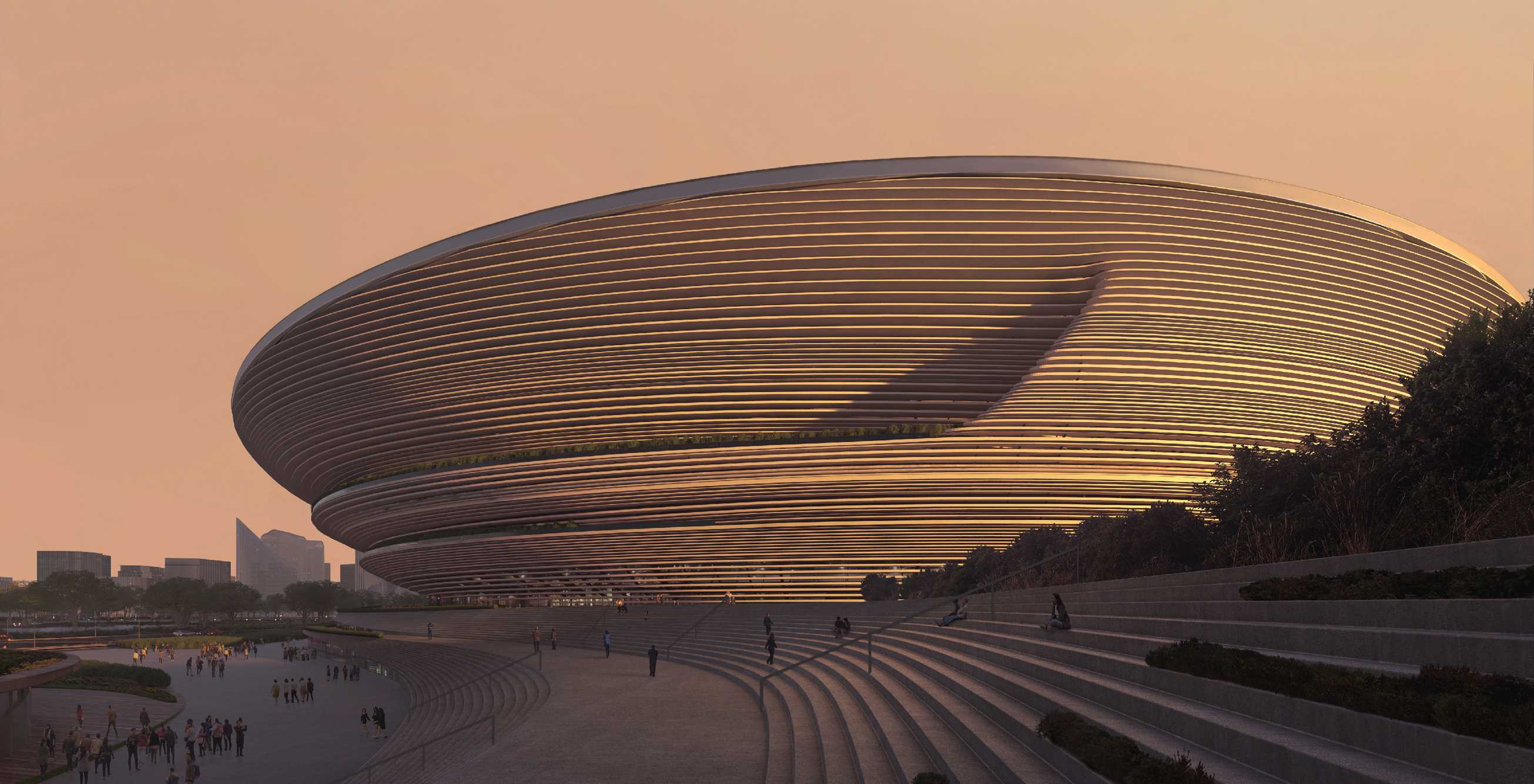
Zaha Hadid Architects (ZHA) are no stranger to designing large sports arenas with futuristic forms, and this project in China falls firmly into that category.
The project creates a huge new chunk of city, anchored by a swooping 60,000-seat football stadium, a 19,000-seat indoor arena and an aquatics centre with two 50-metre pools. These core buildings all feature striated façades, informed by terraced tea farms on Hangzhou’s surrounding hillsides. As with Camp Nou, the design of louvres in the exterior allows for wide sheltered terraces that look back out towards the city, and host various cafes, restaurants and bars.
Located within a wider Future Science and Technology Cultural District, ZHA’s Sports Centre sits next to a new riverfront park and public plaza with direct access to the city’s expanding metro network. The hope is that public amenities like this will help the city – one of the world’s leading centres of e-commerce – in its ambitions to attract IT professionals and entrepreneurs from across the country.
Construction is currently in progress, with completion reportedly expected in 2027.
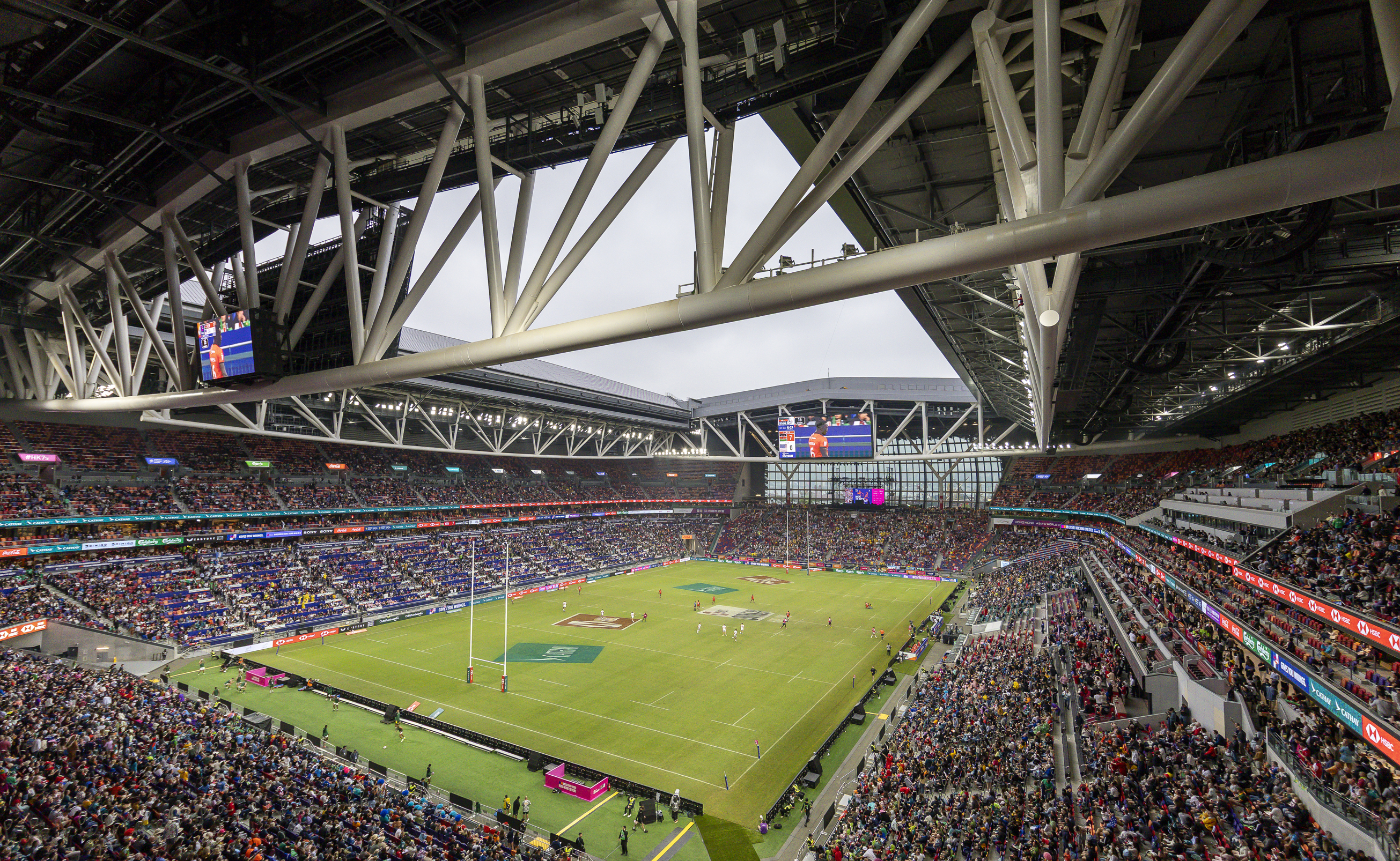
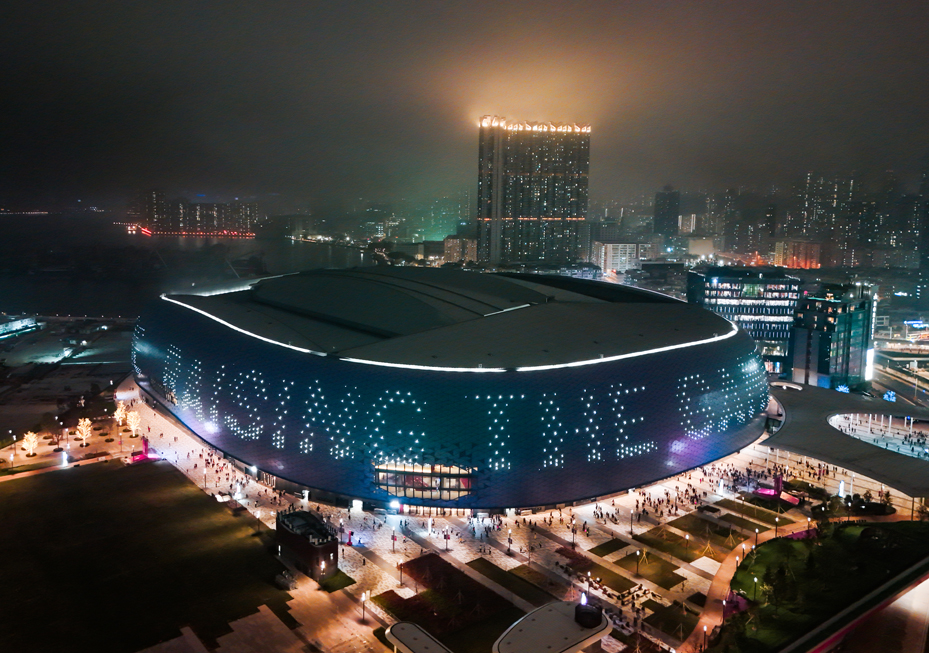
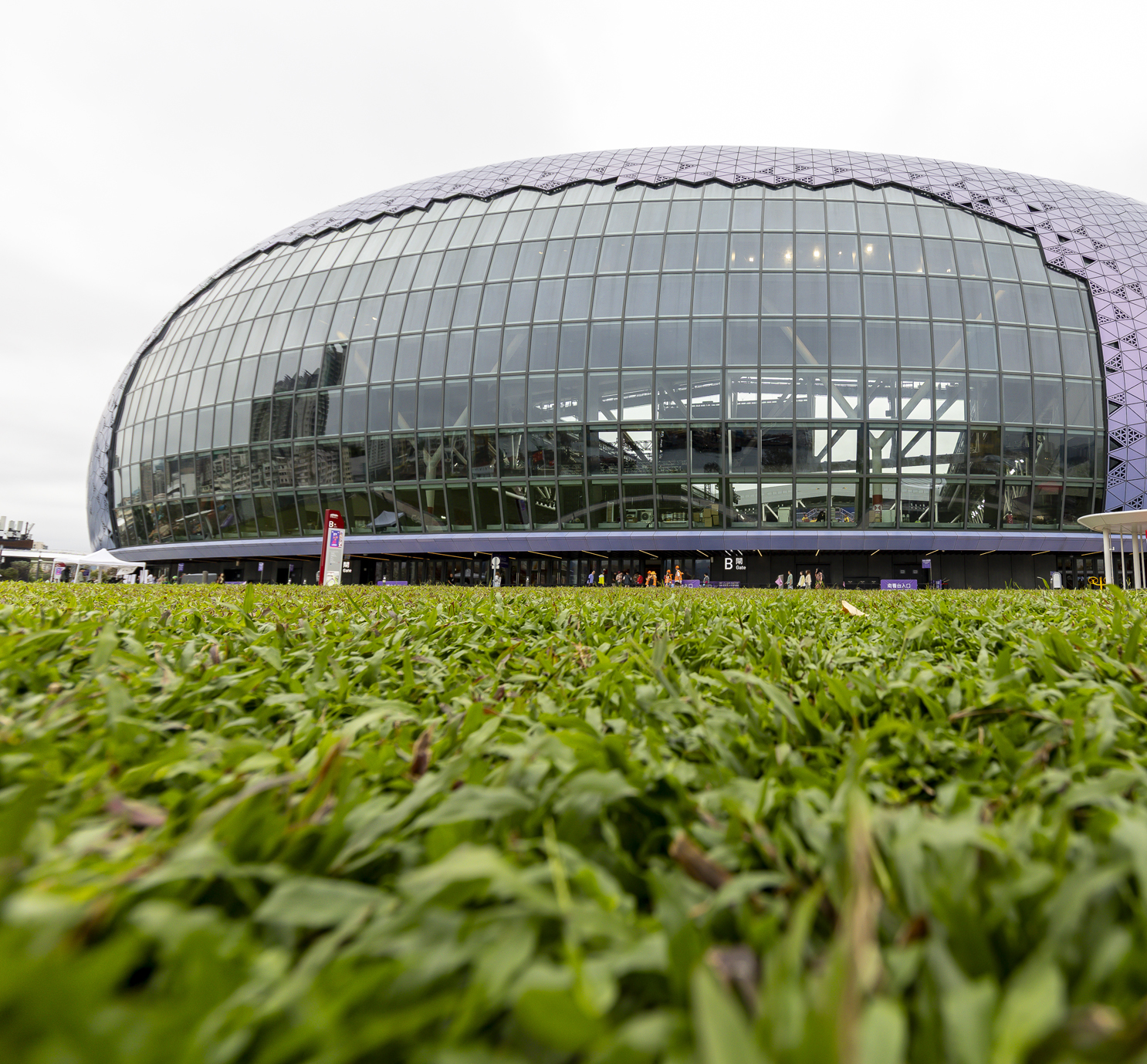
When it opened in March 2025, Kai Tak Sports Park become Hong Kong’s largest sports complex, with the giant 50,000-capacity Kai Tak Stadium surrounded by restaurants, shops and smaller arenas.
The stadium’s nickname, the Pearl of the Orient, captures its shimmering façade, composed of around 27,000 triangular aluminium panels that shine in different pearlescent hues depending on the intensity of the daylight.
Since its launch, the project – designed by, you guessed it, Populous – has drawn locals and international visitors to events including Hong Kong’s popular Rugby Sevens tournament and a massive Coldplay concert.