Research
The role of design
Gensler’s latest research provides hard evidence of the link between good design and our reactions to the spaces we use, says designer and researcher Tom Lindblom




Design officially has a quantifiable impact on human experience.
That, at least, is the verdict of global architecture and planning firm Gensler, who have published a new index they claim proves, once and for all, that design is a critical factor in determining how we feel about the spaces we occupy.
The Gensler Experience Index is the result of a multi-year, mixed-methods investigation that combined qualitative and ethnographic research, such as 30 two-hour interviews with people in five markets across the US, with quantitative research, including a nationwide, panel-based survey of over 4,000 respondents.
The research combined known drivers of creating a human experience – product, brand and service quality – with design factors, which Gensler claim “have not previously been factored into the formula”.
The results demonstrate that design is the key differentiating factor “between a good experience and a great one” and offer “a holistic framework for understanding human experience across retail, public spaces and workplaces”.
Gensler concluded that a person’s intention when visiting a space, combined with their expectations, quality of interactions and quality of the space “together inform how it will be perceived”.
“We’re now able to prove that design is the X factor that takes a good experience and makes it great,” said co-CEO Andy Cohen.
According to the Index, public spaces are the most aspirational space type, with one out of five users visiting specifically for inspiration or to learn something new.
“Public spaces support the widest diversity of experiences, offer some of the best experiences overall, and are the most likely to be shared on social media by visitors,” said Gensler.
“Why? Their capacity to support unstructured time – providing a platform for reflection, inspiration, and unplugging as well as fun, socialising, and work – is a lesson in variety and adaptability. Their diversity and welcoming nature prove to be key components of success too, a goal toward which every space should aspire.”
Here we interview Tom Lindblom, Gensler’s hospitality practice area leader
What makes this research different?
The connection between great experience and business performance is well documented. We already knew the importance of product, brand, and service quality in creating a great experience. However, no single piece of research to date has combined the known drivers of creating a human experience with design factors.
Our findings show that design is an important factor that can be leveraged to create a great experience. The Gensler Experience Index seeks to fill this gap by examining the multiple drivers of a great experience, and contextualising the impact of physical space among those drivers.
We have hard evidence of the importance of design in creating experiences. Previous studies have evaluated human experience and its impact on business, but this is the first time that design’s been measured along with traditional factors.
The Gensler Experience Index is first-of-its-kind research proving that design is the differentiator between good experiences and great ones. This research quantifies what we as designers have always believed to be true: design is just as crucial to providing great experiences as any other factor.
We know great experiences prove the business and social value of physical place – now we can show that design is what helps those places stand out. The human experience must be the driving force behind every element of a space to achieve this – from the design of the physical space, the qualities of interaction, expectation, and intention.
What were the most surprising results from this piece of research?
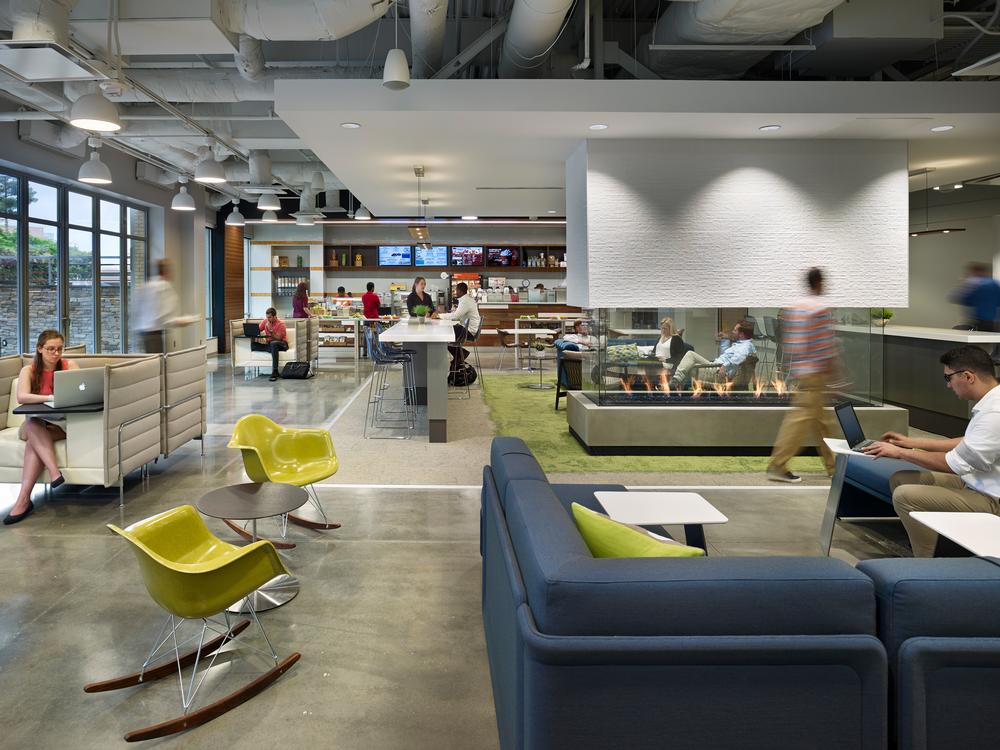
The quality of experiences at the best-designed spaces were rated nearly twice as high as those at the worst-designed spaces. Places designed to accommodate multiple activities – from working to socialising to exercising and everything in between – are far more likely to result in great experiences. Everyone is doing everything everywhere: the traditional uses of space are blurring.
What should architects, interior designers and developers take from these results?
Designers have a responsibility to restore humanity and authenticity to design, and move away from design forms driven solely by algorithms and the latest technology. Creating positive experiences depends on it.
The design community needs to focus first on designing for the human experience, moving beyond design explorations focused on using tools to push the boundaries of engineering and form. Designers need to put people back at the centre of design. The design community needs to make design adaptable – it’s becoming paramount in the face of constantly changing consumer tastes.
Uniqueness and authenticity are key components of great experiences that require local, contextual, differentiated approaches to design.
Designers must prioritise multi-functional spaces: everyone is doing everything, everywhere.
How do you create authentic spaces?
It’s a question about the nature of creativity. We show up to the design process with as few preconceptions as possible. We listen to the client and operator, explore the location and neighbourhood in the search for a meaningful story.
Historically, hotel design – perhaps inadvertently – fostered social isolation. There was little by way of communal infrastructure that encouraged interaction and integration – with hotel bars, lobbies and lounges assuming a functionality rather than a backdrop for inclusivity.
In recent times however, there has been a movement towards creating spaces that are underpinned by the fundamental tenets of socialisation. People are now working to design spaces which invite in the vibrant local culture from outside, reinvigorating communal areas and fostering a socio-cultural exchange of ideas, skills and experiences between guests and locals.
To be authentic a place needs to be part of its local fabric; not a static environment, but one where you can share ideas, experiment and work together with the community.
Can you talk about the importance of creating flexible, multi-use space?
Speak to any hotel operator, and you’ll hear that they’re always looking for ways to keep spaces active to generate revenue. This also helps create energy and dynamism for the hotel and a buzz for potential guests and visitors. It’s important to make the most of all areas – activating the ground floor/reception spaces; designing bars that can be one thing in the morning and transform in the evening for guests and visitors. We need to envision spaces that can meet a variety of needs.
What did you find when asking about how people use public space?
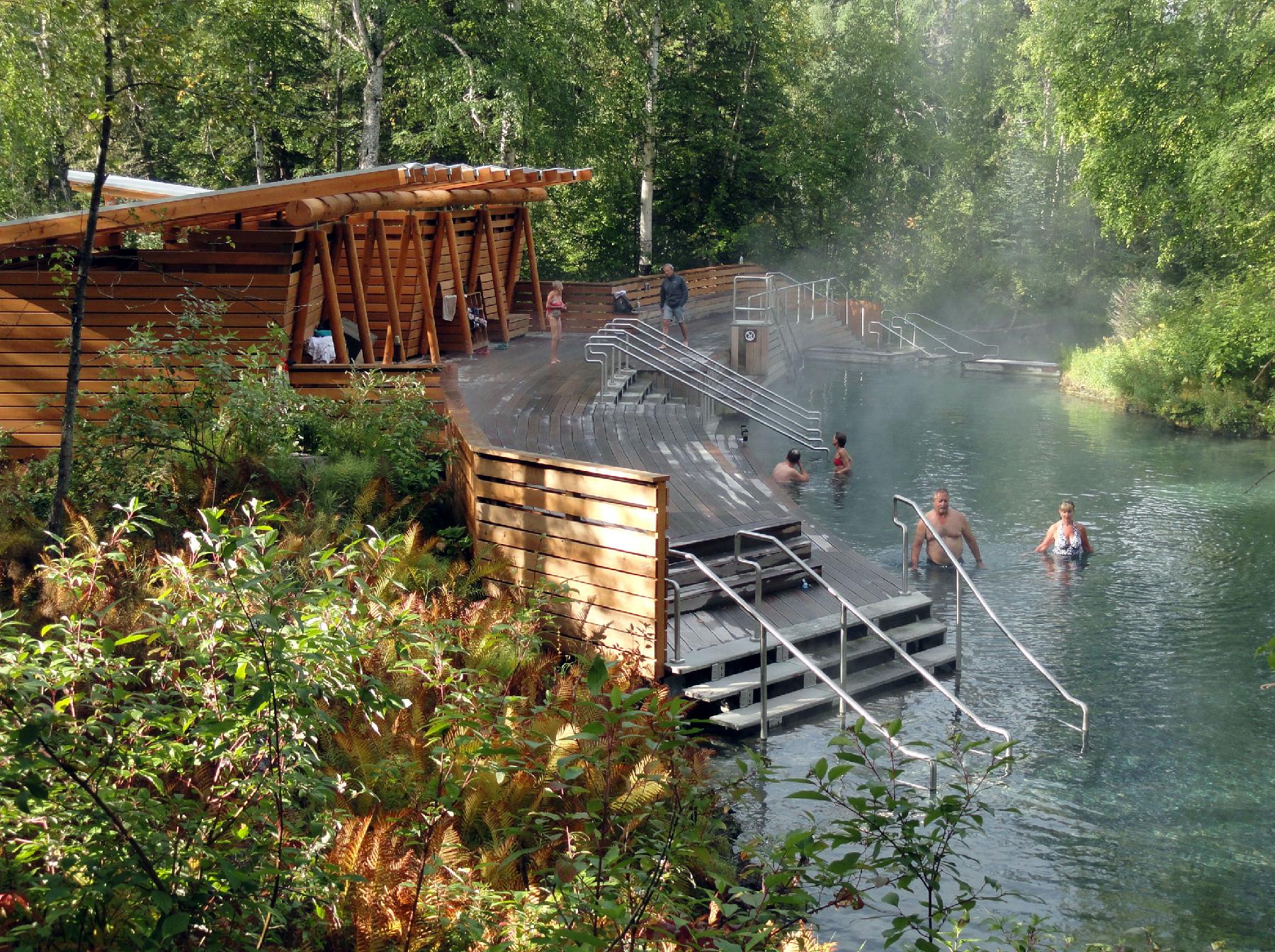
Public spaces are the model that other spaces should learn from to create great experiences as they support the widest diversity of experiences. Public spaces offer some of the best experiences overall, and are the most likely to be shared on social media by visitors. Public spaces have the capacity to support unstructured time, providing a platform for reflection, inspiration, and unplugging as well as fun, socialising, and work.
What were the key findings with relation to people’s intentions when visiting public spaces?
Public spaces are the most aspirational space type. One in five users visited public space specifically for inspiration and to learn something new.
The vast majority (85 per cent) of visits to public space include social behaviour and connection. They’re reported as ideal places for reflection, inspiration, and unplugging/escaping – all activities associated with a better experience. They’re also seen as the place people go to have fun the most, with 58 per cent of respondents reporting this.
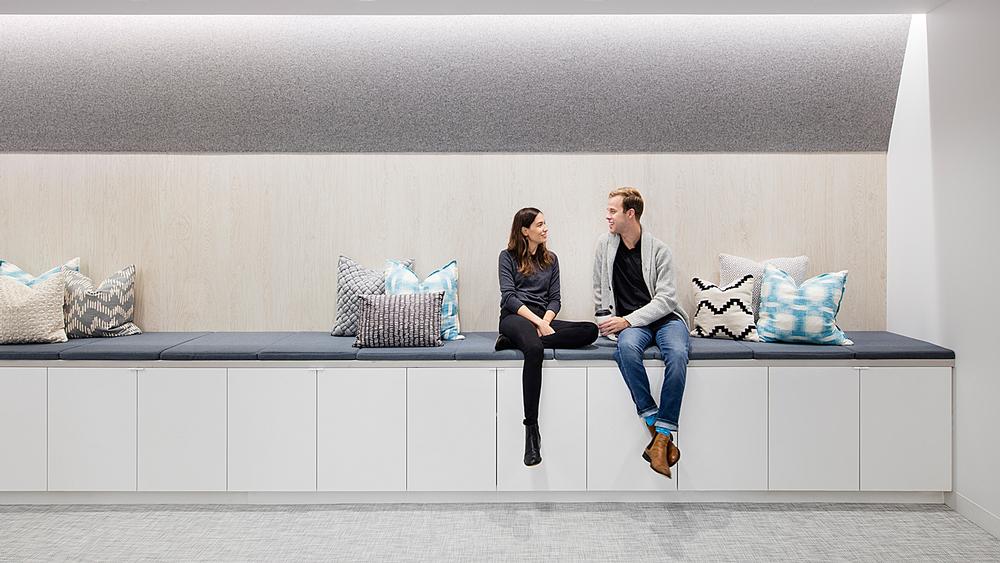
Additionally, our findings suggest that every space should be designed as a social space. The data showed that places designed to support community, connection and belonging offer better experiences, and that people are actively seeking out places to connect.
How can designers create public spaces that encourage social behaviour?
Fewer walls and doors, reconfigurable furniture and fittings. Offer a variety of space types that encourage different types of interaction – meetings, events, intimate conversations and learning. There’s a lot of evidence that high contrast spaces keep people alert and attention high. Varying lighting levels and ceiling heights – defining volume essentially – is the starting point, before exploring the use of finishes and materials.
What is the role of emotions in our response to public spaces?
The design of a space is directly connected to people’s emotional responses, proving that better design can help consumers form a more meaningful connection.
We have proven that there’s a direct connection between design and experience through human feelings and emotions, as the look and feel of a place influences positive emotions, which in turn influences positive experiences.
Gensler Experience Index: the findings
• Places designed to accommodate multiple activities – from working to socialising to exercising and everything in between – are far more likely to result in great experiences.
• Places that are considered “beautiful, unique, authentic, inspirational, intuitive, and welcoming” offer the best overall experiences.
• The quality of experiences at the “best-designed” spaces was rated nearly twice as high as those at the “worst-designed” spaces.
• More than half of consumers go to retail stores for reasons other than shopping, and three out of four who visit retail stores without the intent to buy end up making a purchase.
• People are 10 times more likely to share their in-store experiences on social media if those stores have unique design features. For workplaces, they are six times more likely, and for public places, three times more likely.











Designed to restore neglected land and renew the identity of Iraq’s capital city, Baghdad Sustainable Forests promises a new way of living surrounded by nature. Gensler’s Ian Mulcahay tells us why he thinks the project could become a model for the repair and enhancement of urban centres