Retail Design
Designer labels
The world’s most famous architects and their buildings can yield influence far beyond their footprint. David Fraser examines the phenomenon of the starchitect and its effect on the world of top-end retail



In recent years, and despite a deep recession, the profession of architecture has undergone a transformation, and today’s elite architects have become highly influential in the creative business world.
In the 1990s, boosted by the globalisation of the English language, both US and UK-based architectural practices began to set up offices across the world.
While this global expansion was taking place, a parallel trend was turning architects into celebrities. History is full of famous architects, but contemporary architects such as Norman Foster, Richard Rogers, Renzo Piano, Rem Koolhaas and Jean Nouvel took this fame to new heights and had the power to reach a truly international audience.
Emerging countries and cities seeking international recognition saw the value of an endorsement from architects like these, and international investors wanted them for their developments.
The ‘starchitect’ is born
The relationship between power, art and architecture has a long and distinguished history, and the three have been bedmates since Ancient Egypt. The difference between that relationship and the birth of the starchitect was that for the first time the trend was broadcast in the global media.
Breathtaking buildings make great stories with massive media appeal so for architects like I M Pei, Zaha Hadid and Frank Gehry, these were to be busy times.
There are fascinating upsides to this new monopoly of architectural supply. Evidence has emerged that suggests schemes endorsed by celebrity architects have a greater chance of gaining planning consent and passing through the minefield of development than those proposed by other architects.
Following Bilbao’s Guggenheim, it became an accepted wisdom – wrongly in many cases – that a city could reverse struggling fortunes with a famous building (usually a cultural attraction) and a celebrity architect’s signature. It’s sometimes forgotten that there are many buildings by famous architects that have failed, undermining the idea that starchitects can single-handedly regenerate or reposition a city or region.
Value in stardust
However, further investigation reveals that, in the right hands, these architects do indeed deliver a development premium. Research from the London School of Economics (January 2014) shows developers have realised that a starchitect can help play the planning system in a way other architects cannot. Research by Paul Cheshire and Gerard Derricks surveys 515 buildings around the world to reveal the appointment of a starchitect leads to, on average, an extra 19 storeys of development being granted (also see: High Expectations, CLADbook, p174).
Perhaps it is this – plus the fact that the supply of starchitects is by its very nature limited – that justifies their fees, with valuations of certain firms running into the hundreds of millions. These practices have become very big business indeed.
The brand architect
These firms have built themselves up as brands through hard work and exceptional creativity. The buildings these architects create frequently exceed our dreams and change our expectations of what architecture can deliver in our towns and cities. It’s also a highly valuable export industry and a wonderful career for many.
Starchitects are a creative elite servicing a global über-elite with more money and higher expectations than ever before. Increasingly we see developments which lean in the direction of fantasy in a way that the architecture of old cannot do.
Brands seeking brands
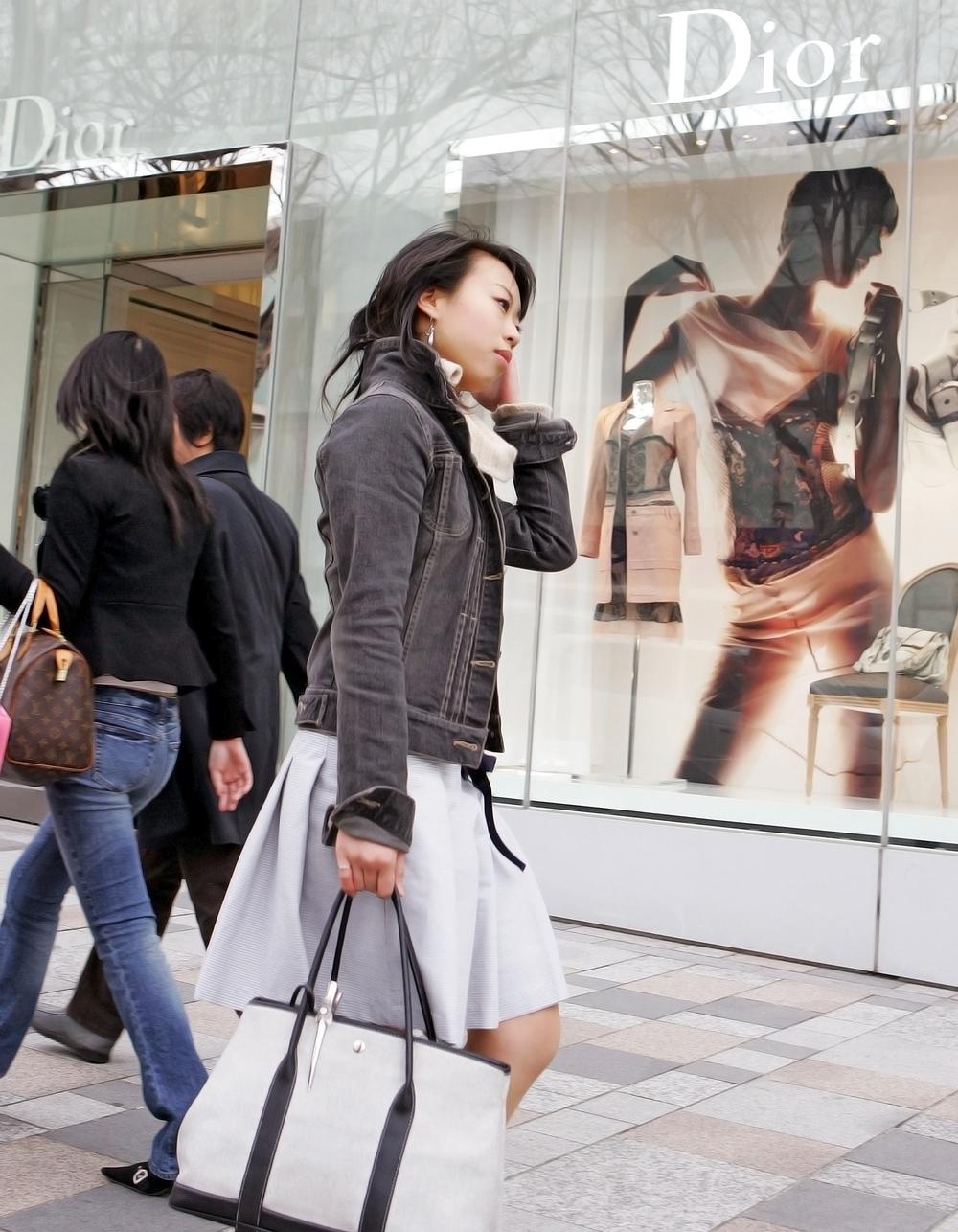
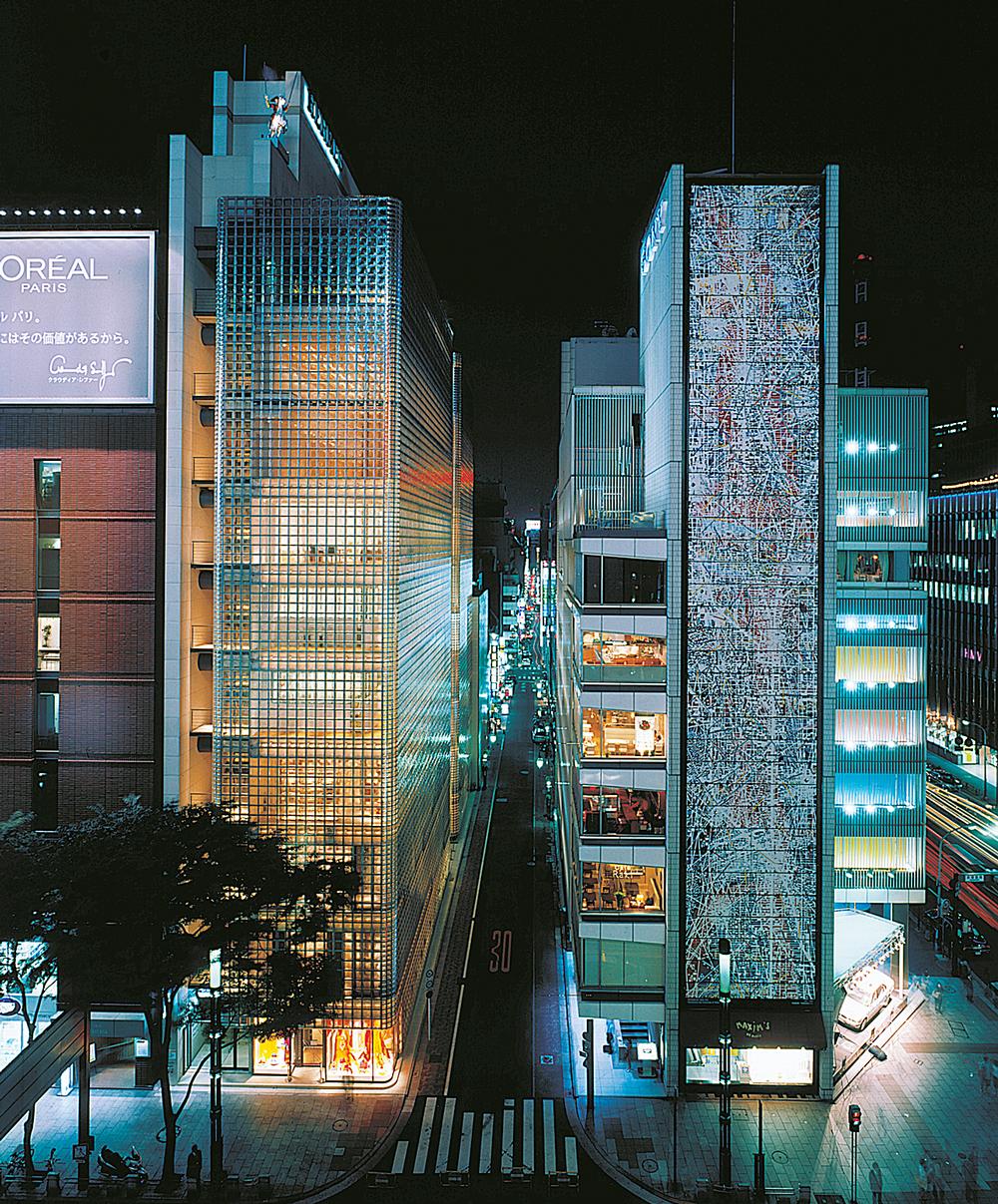
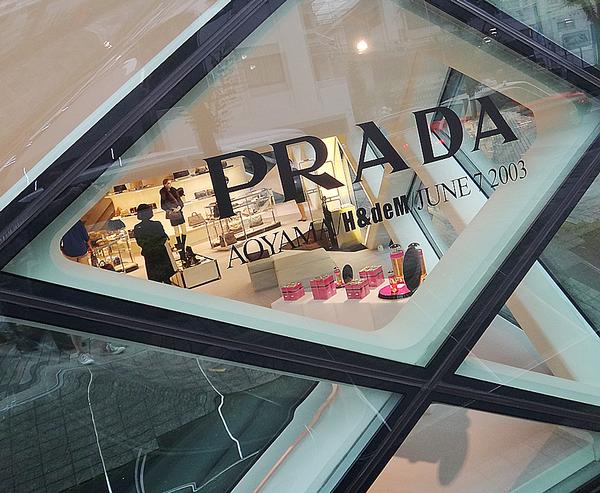
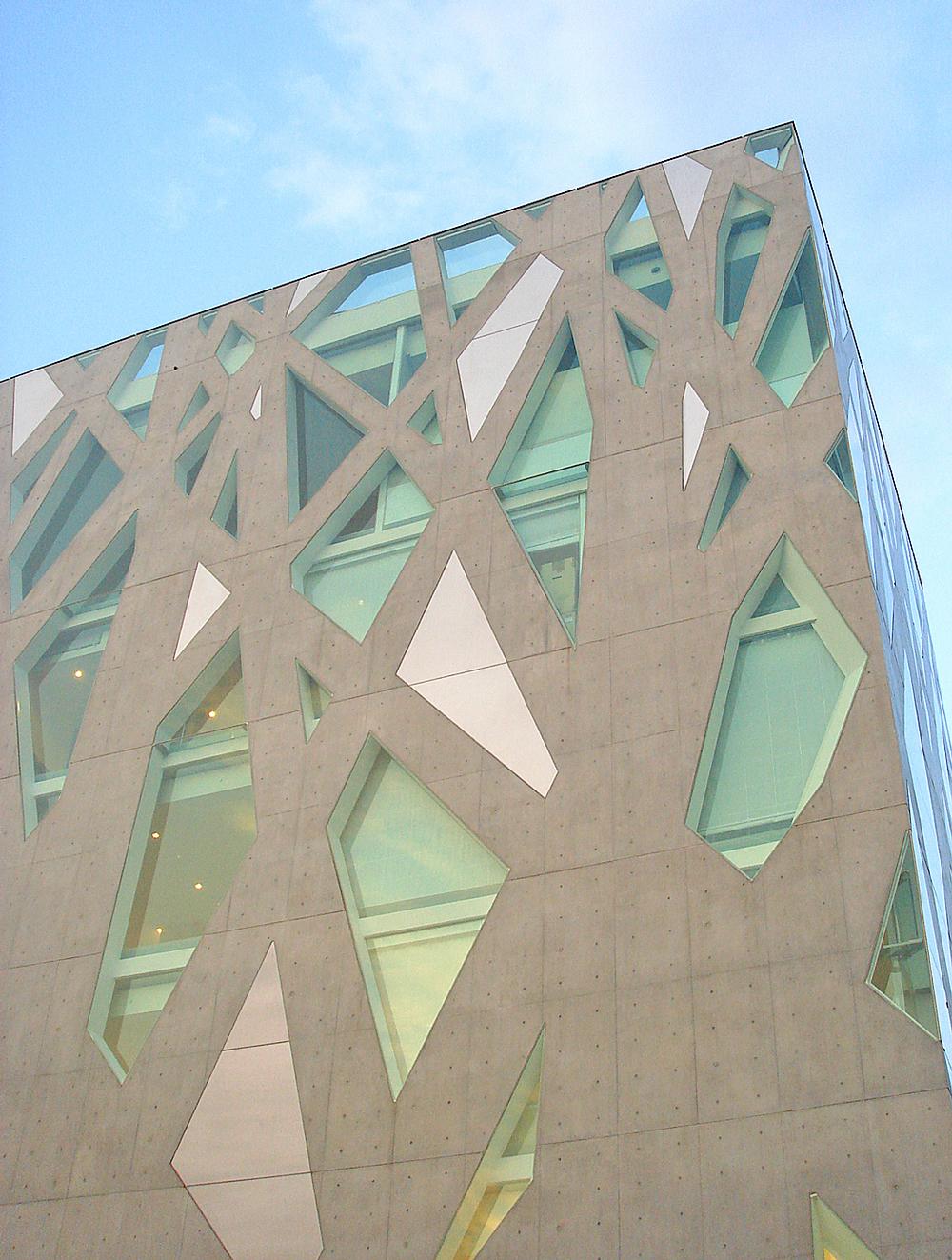
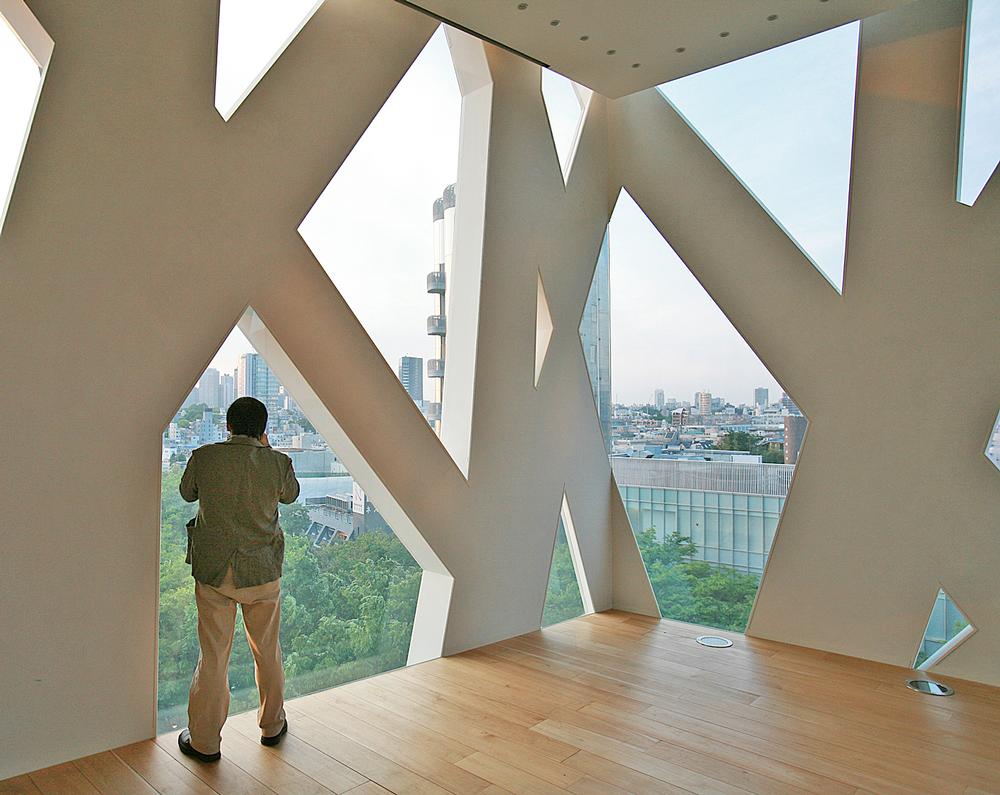
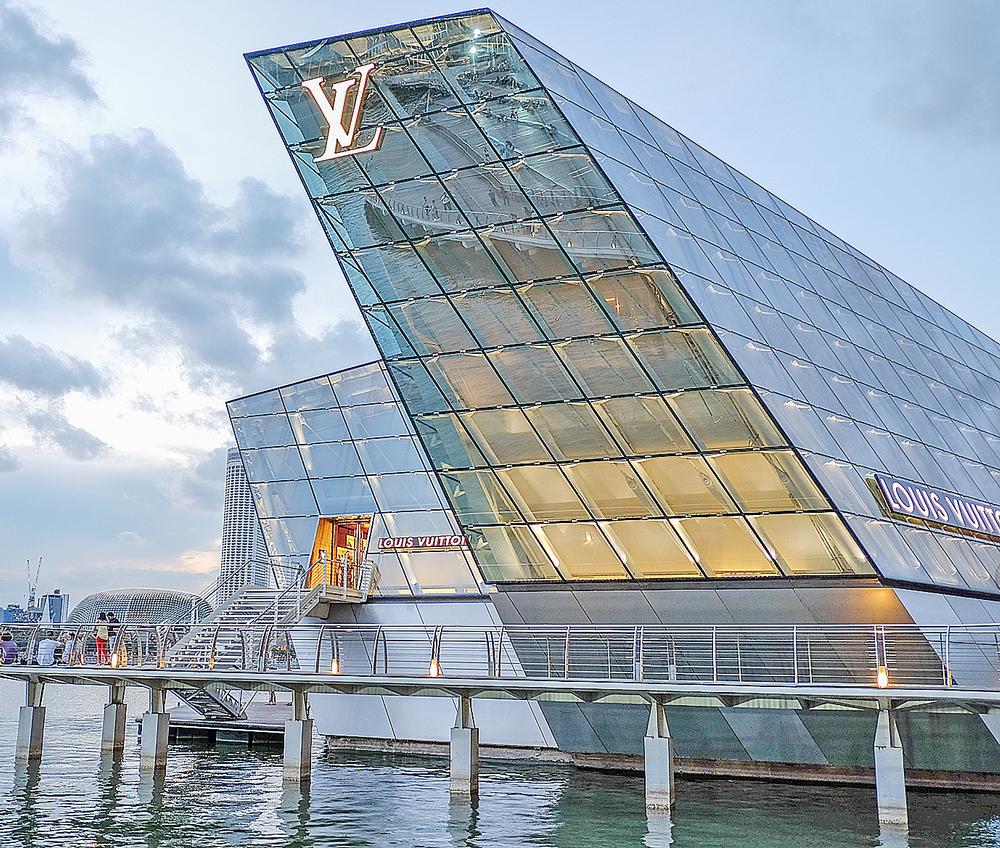
Having been recognised as brands in their own right, starchitects have become the designers of choice for luxury stores around the world – brand temples for the most exclusive labels. In the better shopping streets of Tokyo no self-respecting brand would create its new store without employing the likes of Toyo Ito (Tod’s), Sanaa (Dior) and Piano (Hermès).
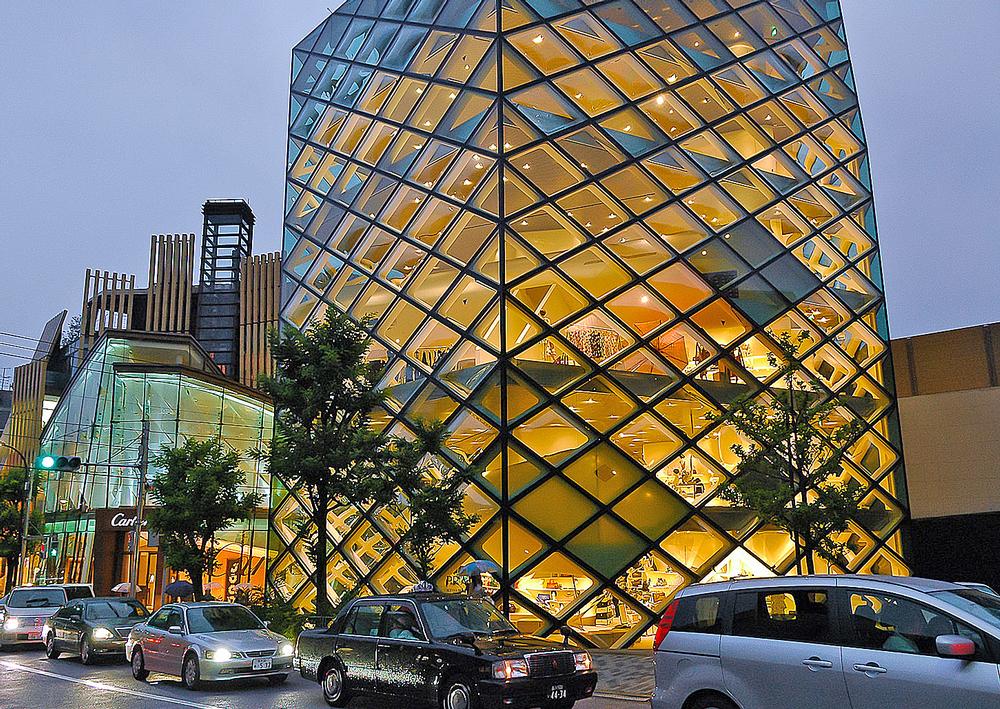
In fact, Herzog & de Meuron’s signature can be seen on the entrance of the Prada building in Tokyo’s Omotesando District. This is the first time we have seen the architect’s signature etched into the door of a store – and it won’t be the last.
A small band of ambitious architects is targeting this sector with extraordinary precision. The architect Peter Marino built a portfolio designing stores for the most iconic luxury brands, including Louis Vuitton, Chanel, Fendi, Giorgio Armani, Christian Dior, Donna Karan, Ermenegildo Zegna, Hublot and Valentino.
Marino was introduced to Andy Warhol as a young architect in 1974 and worked for him in 1978. Entering Warhol’s circle gave Marino exposure to a cosmopolitan milieu allowing him, over the years, to make connections that would shape his career. He worked privately for people in that circle until he was offered his first retail job in the late 1980s, for Barneys New York.
Marino famously swapped his tailored suit for a full leather outfit, using this unconventional look as a trademark, blending in with the world of the fashion designers. He looked at retail design in a new light and has been credited with pioneering the modern shopping environment we know today.
New competition
The latest move in the drive to express the glamour of the brand is the emergence of buildings designed by the luxury brands themselves. Here the cachet of a luxury fashion brand adds kudos to a development; whether hotel, residential or mixed-use.
The Milano Residences in Manila, Philippines, is not presented by the developer or by its architects, Broadway Malyan, but by interior designers Versace Home.
There are several more notable examples. The first Armani Hotel opened in 2010 in the Burj Khalifa, Dubai. A second hotel operated by the brand opened in Milan, Italy, in 2011 and more are promised.
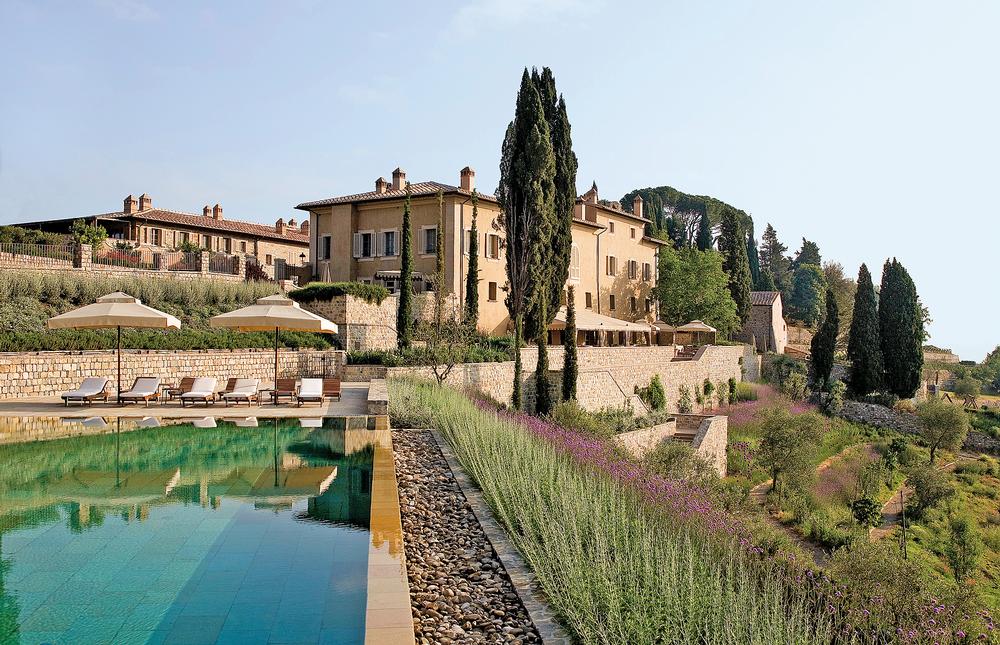
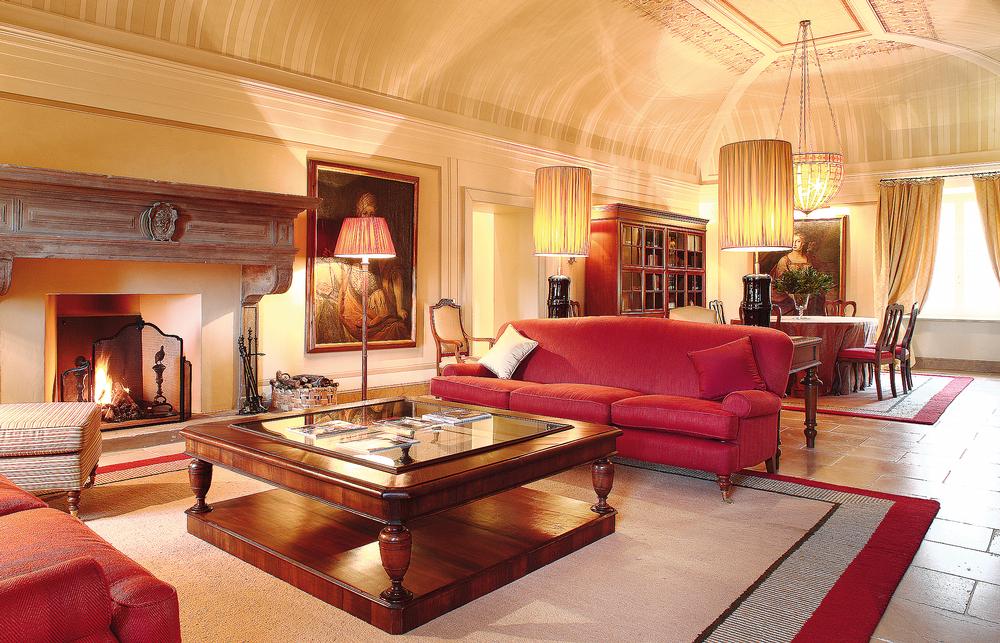
In Jamaica, Pineapple House, a 36-room hotel, was remodelled under Ralph Lauren leadership, including designs for the cocktail bar, restaurant and spa and decoration of the rooms. In Italy, Massimo Ferragamo has converted an entire Tuscan village into a luxury resort, Rosewood Castiglion del Bosco. Close to Siena, it boasts its own vineyards, orchards and chapel with medieval and Renaissance period frescoes.
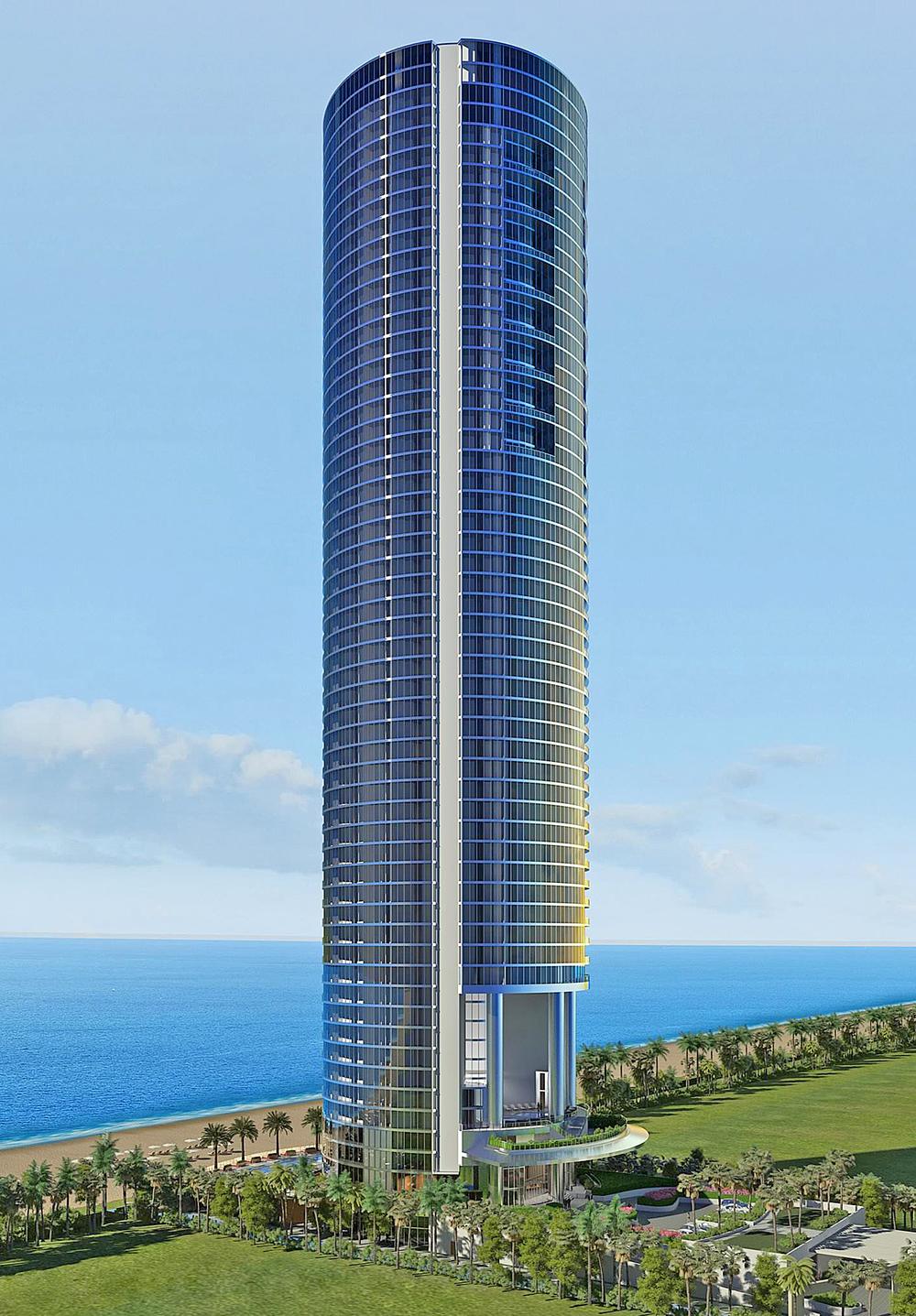
Porsche Design Tower is being built in Miami, Florida. This 60-storey residential tower includes robotic parking garages, with 284 parking spaces for 132 units, allowing residents space for up to four cars outside their apartment – on all levels. Units are expected to cost from US$4m to US$33m.
So where does all this leave the architect? As more practices seek to expand, pressure will rise for them to present themselves in a different way. Compare most architects’ websites and brochures today and you’ll find little difference between them. The art of tone, building an image and creating a distinctive brand personality doesn’t yet come naturally to most practices.
However, this is going to change. Some architecture firms will make changes instinctively, while others will need help. But what is clear is that the international practices of tomorrow will need to have brand thinking high up on their agenda if they are to have a hope of being noticed in a highly competitive market.
David Fraser has more than 20 years experience building brands. He is partner at Harrison Fraser brand and design agency.












Designed to restore neglected land and renew the identity of Iraq’s capital city, Baghdad Sustainable Forests promises a new way of living surrounded by nature. Gensler’s Ian Mulcahay tells us why he thinks the project could become a model for the repair and enhancement of urban centres