UK Government reduces energy subsidies, says gas prices have fallen and sector is not an ETII



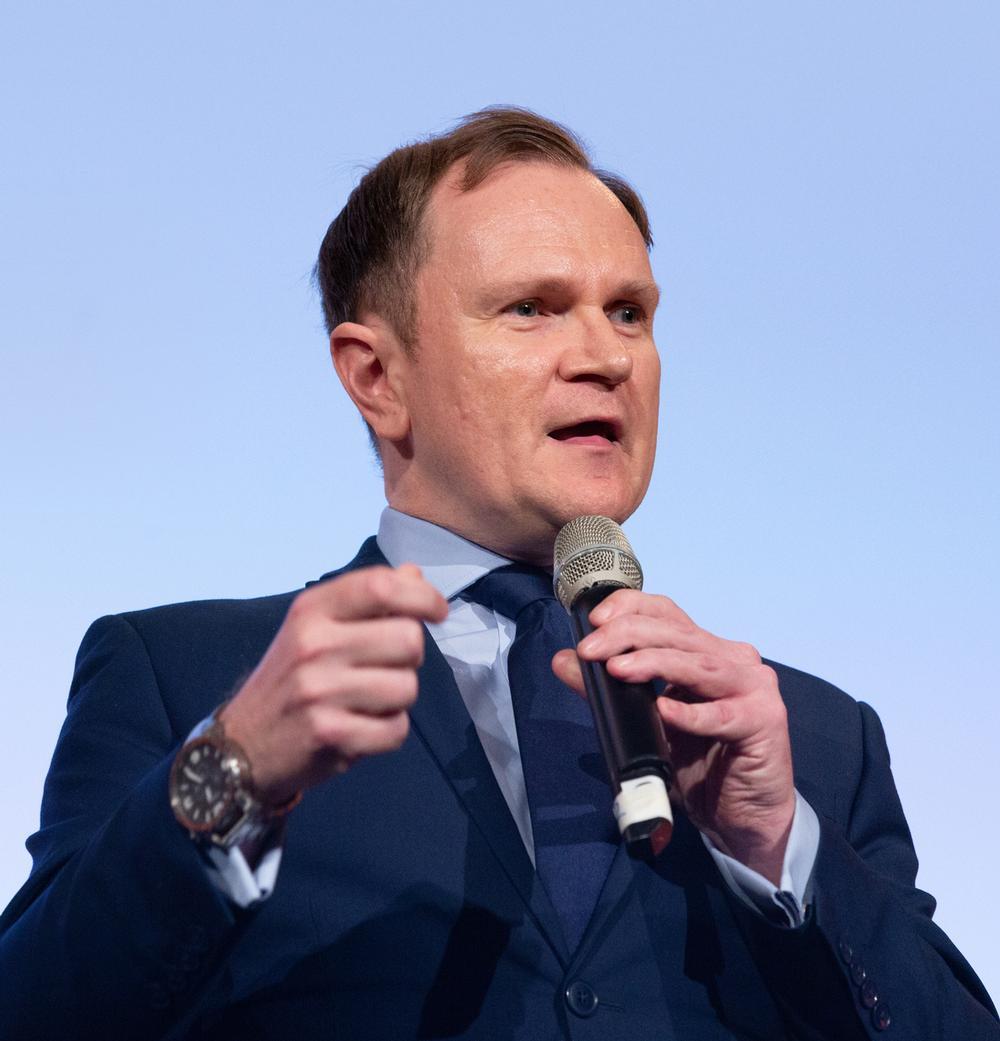
– Huw Edwards, CEO, UK Active
The UK government has announced it will be scaling back financial support for businesses as part of the updated Energy Bill Relief Scheme (EBRS).
Treasury support has been capped at £5.5bn for the year from 1 April 2023, more than £10bn less than the scheme designed for the winter from 1 October 2022 to the end of March.
The government said that the EBRS was only intended to be a six-month emergency scheme and that “the latest data shows wholesale gas prices have now fallen to levels just before Putin’s invasion of Ukraine and have almost halved since the current scheme was announced”.
It said that the new scheme “strikes a balance” between “supporting businesses over the next 12 months and limiting taxpayer’s exposure to volatile energy markets”.
UK Active released survey data in November 2022 showing that even under the previous scheme 40 per cent of council areas were at risk of losing their leisure centres – including 100 swimming pools – or seeing reduced services before 31 March 2023. Around three quarters (74 per cent) were predicted to close or reduce services by 31 March 2024.
Freedom Leisure – which manages over 100 leisure centres and 60 pools – started shutting pools last October in Milton Keynes and Rye, after its annual energy bill increased from £8m to £20m. The closures came despite support from the EBRS.
“The pace of closures nationwide matches UK Active’s projections, with swimming pools most exposed due to their significant energy dependency,” said Huw Edwards, CEO of UK Active. “The government’s new Energy Bills Discount Scheme will fail to give thousands of pools, leisure centres, and gyms the support they need to avoid further service restrictions, closures, and job losses.
“Having experienced a rise in energy costs of up to 300 per cent compared to 2019, the new scheme will make little material difference to the greater energy cost pressures these facilities will now face from 1 April.
“The failure to categorise certain services, especially swimming pools, as ‘intensive’ energy users requiring more bespoke support is a significant oversight given the overwhelming evidence provided to the government on their energy use.”
It is unclear why business activities such as museums and historical sites have been classified as “particularly vulnerable to high energy prices” and “energy intensive” – referred to as Energy and Trade Intensive Industries or ETIIs – and therefore entitled to a higher level of financial support, while leisure centres and swimming pools have been excluded.
Liz Terry, editor of HCM said: "The physical activity sector has been placed towards the back of the queue again, which has echoes of the challenging time the sector had getting open after the COVID lockdowns.
"We now know that in addition to lobbying for essential status, we must also start to fight for relevant parts of the sector to be categorised as an Energy and Trade Intensive Industry (ETII) and we call on the sector to commit resources to making this happen as soon as possible.
"There is clearly still a huge lack of understanding within government of the vital role the sector plays in maintaining the economy and the health of the nation – reducing the strain on the NHS – and also the way the sector actually operates.
"It beggars belief that anyone would think a museum is more energy-intensive in terms of operations than a swimming pool.
"However, while this news is devastating for some operators, we must aim to mothball facilities that need to close, so they can be reopened as soon as finances allow.
"With better weather expected as we go into the spring, we also hope operators will seize the opportunity to invest in solar to take advantage of abundant free energy through the summer months, as has already been happening with great success in some locations."
Phil Rumbelow, chair of Community Leisure UK (CLUK), which represents charitable trusts delivering public leisure and culture services, said: “This news is a bitter blow for the community leisure sector, particularly public swimming pools, which puts their continued operation in question. Unless other steps are taken by the government, nationally and locally, this decision spells the end for community leisure as we know it. One thing is clear, inaction has consequences.
“Our members will continue to argue that the cause of publicly accessible leisure is an ideal worth fighting for. As just one example, we simply cannot accept a situation where the only route for a child to learn to swim is through a private pool, with all the costs and limitations to access that involves.
“We are actively seeking a change of mind on the part of the government, as well as direct crisis support for our sector. We will not accept the collapse of public leisure and the major impact on public health that will result.”
Edwards concurs and believes the implications of the new EBRS will be “severe” unless they are reviewed, with communities losing vital services, from swimming lessons for children, to mental health services and programmes for older citizens, ethnically diverse communities and disabled people. Millions of people on long-term health programmes for cancer rehabilitation, musculoskeletal conditions and Type 2 diabetes will also be impacted.
A report from the WHO in October 2022 showed that physical inactivity between 2020 and 2030 will result in almost 500m people developing a preventable, non-communicable disease (NCD), at a cost of US$300bn, if governments do not act urgently.
Speaking to BBC news following the announcement, Edwards said: “As more facilities close, the decision to deny greater support for these facilities will create even more challenges for the NHS, which is already under unimaginable pressure and impact economic productivity by hampering efforts to get people healthy for work. Tragically, the impact of the scheme and more facility closures will further damage our national health, our NHS, and our economic growth.”
Andy Haldane, former chief economist at the Bank of England, says declining health is hindering the UK's economic growth with the UK forecast to be the only developed economy to have a workforce smaller than before the pandemic by Q1 2023.
UK Active wants to work with the government to ensure the leisure sector is categorised as an ETII and to minimise the inevitable restrictions and closures.
“This should include placing these facilities at the heart of addressing the major challenges we face as a nation, including the mental health crisis in young people and adults, operational pressures on the NHS, and the growth of people of working age becoming economically inactive,” said Edwards.
“Following the Public Accounts Committee’s new report on grassroots participation in sport and physical activity, the government said it had ‘made the nation’s health and fitness a priority’ so we now need to see this sentiment matched with action,” he concluded.
Huw Edwards UK Active UK government EBRS Energy Bill Relief Scheme Freedom Leisure Community Leisure UK Andy Haldane ETIIUK fitness industry fights for continuation of government energy support from April 2023

BIG unveils Eve Music Hall as Croatia venue nears completion
Bob Rogers hands BRC to long-serving leadership team

Wellness care hospital opens in Vilnius with innovative spa and hospitality concept

Universal and Puy du Fou projects point to rise of Oxford–Cambridge corridor
A proposed Puy du Fou development near Bicester and Universal Destinations and Experiences’ planned resort in Bedford are emerging as part of a wider transformation of the Oxford–Cambridge Growth Corridor into a major centre for UK leisure and tourism investment.
For years, the corridor has been associated primarily with science, technology, housing and university-led economic growth. However, the clustering of large-scale visitor attraction projects along the

All-inclusive eco-wellness development Auko to open near Vietnam’s Son Doong caves
Shedd Aquarium upgrades its visitor experience with new Immersion Theater
Shedd Aquarium has opened the Immersion Theater developed in partnership with SimEx-Iwerks, as part of a wider strategy to enhance the guest experience and create additional revenue opportunities.
The attraction has transformed the aquarium’s Phelps Auditorium into a multi-sensory venue combining panoramic projection, environmental effects and interactive technology.
A new pre-show area allows visitors to engage with augmented reality marine animals before entering the
Mandarin Oriental announces standalone Mansions-branded residences for Abu Dhabi
MCR is planning a luxury hotel for London's BT Tower
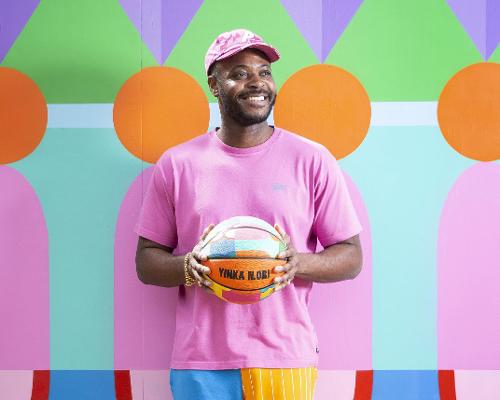
Joy as a radical act: Yinka Ilori launches solo exhibition celebrating the rebellious power of spreading happiness

Work gets underway on Madrid's €800 million leisure complex
Work is underway in Madrid on one of Europe’s most significant multi-functional complexes, combining sport, entertainment, culture and education.
The €800 million initiative to regenerate the former Olympic Aquatic Centre in the north-east of the city, next to the Riyadh Air Metropolitano stadium, is being led by Barsento – a joint venture between Live Nation Entertainment, Oak View Group and Atlético de Madrid. The project will
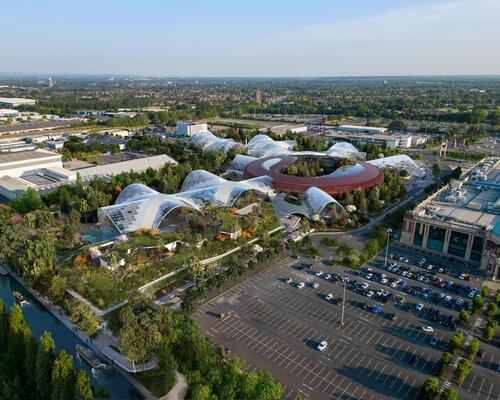
Therme Manchester reveals 90:90 strategy – 90 per cent of the UK population within a 90-minute drive of a Therme

Four Seasons’ Naples Beach Club opens 2,800sq m Sanctuary spa inspired by indigenous Calusa people
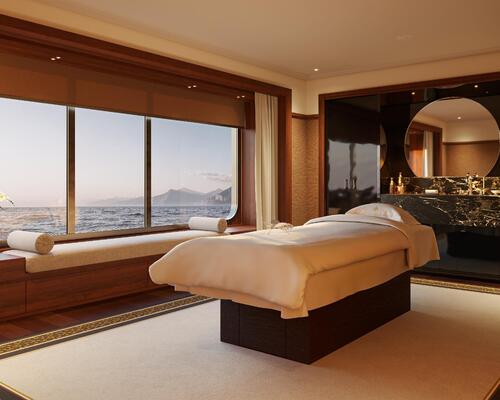
Orient Express Corinthian to host Ocean Rebirth wellness retreat in collaboration with Guerlain
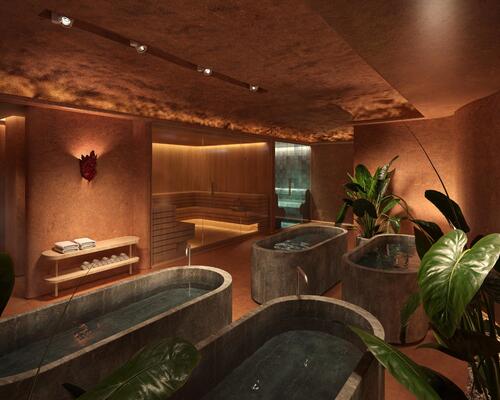
Famed London nightclub, Tramp, launches Tramp Health
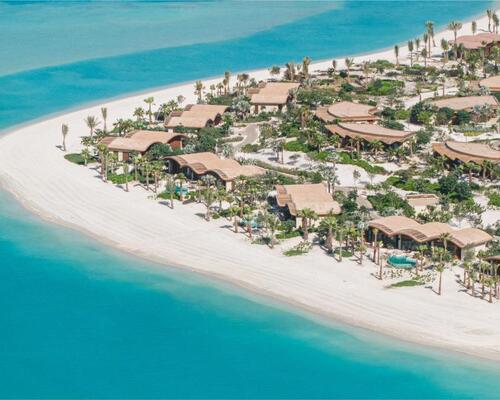
First look: Miraval opens on the Red Sea in Saudi Arabia

Hainan Science Museum by Ma Yansong, opens in China
A new science museum has opened to the public in Haikou after attracting more than 350,000 visitors during a four-month soft opening period.
Designed by Ma Yansong and his practice MAD Architects, the Hainan Science Museum is located on the edge of Wuyuan River National Wetland Park and has already recorded peak attendance of more than 5,800 visitors in a single day.
Commissioned by
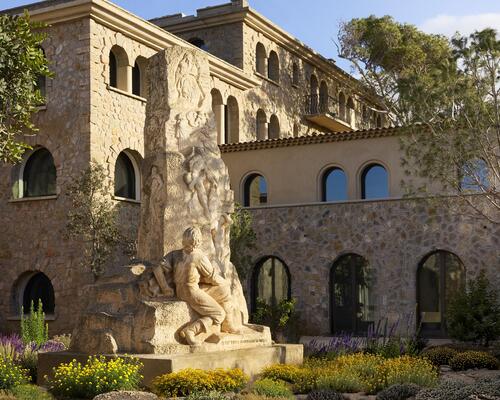
Zannier Île De Bendor launches with design by Hardel Le Bihan Architectes
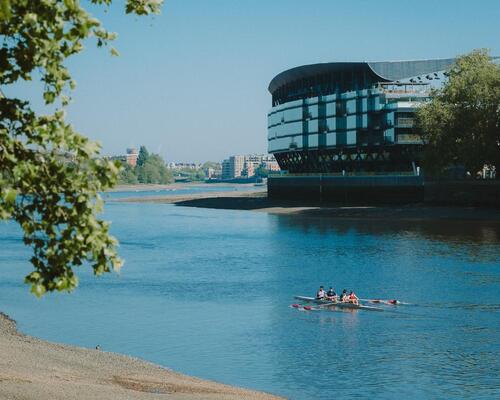
Sæl Spa readies for launch in London: “a modern British sanctuary”
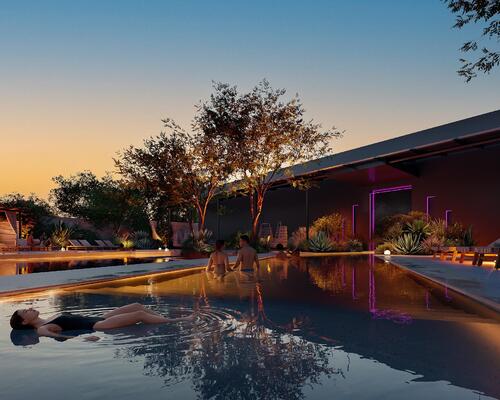
Immersive art bathhouse Submersive announces debut location in Austin

Construction begins on regenerative wellness destination The Shenandoah Nature Resort

Royal Caribbean reveals record-breaking cruise ship
V&A East opens in London
David Geffen galleries open at LACMA

New venue The Lands by Capella includes a longevity centre to complement sister hotel Capella Sydney

World of Frozen launches at Disneyland Paris
Pical Resort by Valamar reveals first Croatian spa under the ESPA brand

Mandarin Oriental creates end-to-end Egyptian journey with two new hotels and first-ever luxury river cruise

Designers Mendil + Meyer launch new division called Lām Concepts for strategic wellness projects
Wilderness Bisate in Rwanda reveals brand’s second Sanctuary spa
4a Architekten shares details of wellness extension at Salinarium Bad Dürkheim Thermal Spa