SPATEC Europe show review
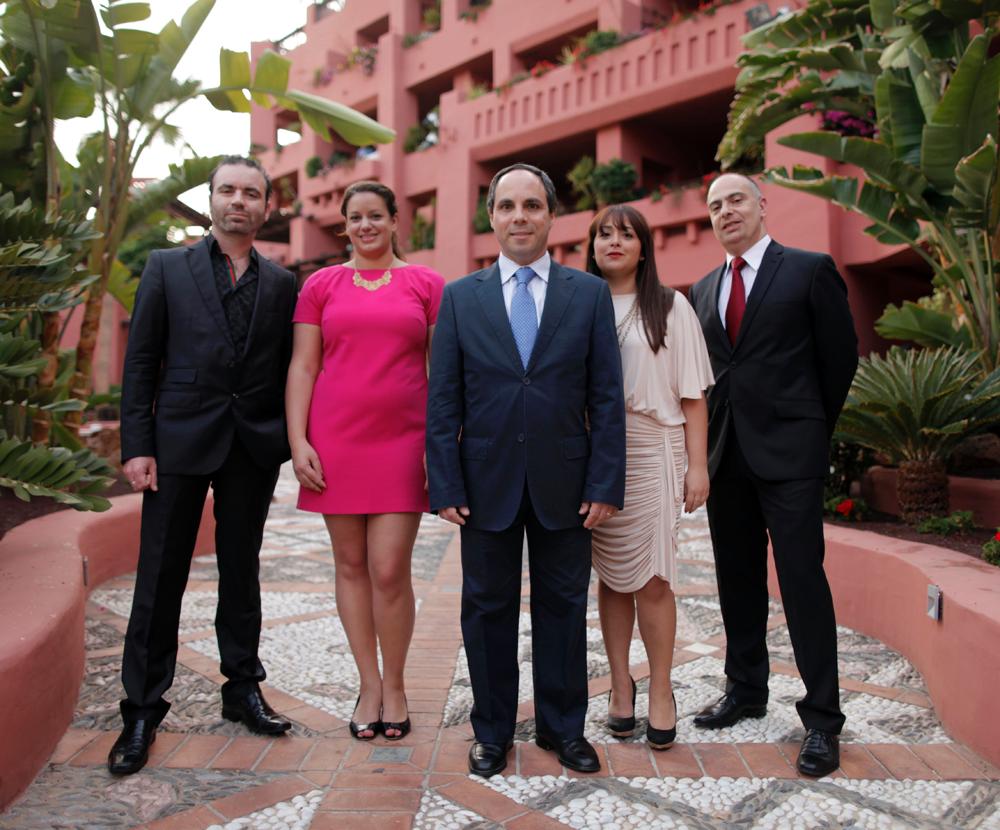
More than 160 spa professionals gathered at Ritz-Carlton’s Abama Golf & Spa Resort in Tenerife this April for the seventh SPATEC Europe forum. Over the course of two days, 1,500 face-to-face, 20-minute meetings were held between those running, consulting and investing in spas and suppliers ranging from software firms and steamroom manufacturers to table, tanning and linen providers.
While representatives from the UK made up a large proportion of attendees, there was a significant contingent from mainland Europe – notably from emerging spa markets such as the Balkan region. International delegates came from as far afield as the US, Dubai and Thailand.
In an opening Educational Session, chaired by management consultant Berni Hawkins of Neue Media, delegates heard about key industry research, trends and opportunities from four panellists. We’ve highlighted some takeaway points below.
PUBLIC SECTOR SPAS
Sarah Watts, managing director of Alliance Leisure – which works on UK public leisure developments – spoke about the emergence of public sector spas in the country. “There are 15 local authorities in the UK which are looking to install big-scale spas,” she said. “This is a big growth area and presents suppliers with a huge opportunity and may enable operators to learn something new.”
Notably, these types of spas are delivering in revenue. Inside Spa, one of the first UK public sector spas which opened at Pendle Wavelengths leisure centre in 2007 (see Spa Business magazine 07/3; p64), generates £500,000 (US$776,750, €792,600) a year purely on a ‘pay as you play’ basis said Watts. A formidable achievement given that it’s located in Nelson, a town with a poor demographic, in Lancashire, north England. With affordable prices – a 55 minute body massage costs £46 (US$85, €65) – it’s also introducing new customers to spas. It’s also performing better than other leisure sector elements such as a standalone swimming pool or a sports hall which typically brings in only £70,000 (US$108,750, €82,950) a year.
She attributed the spa’s success to two factors: “Over the last few years the celebrity culture and lipstick effect have really played into the public’s hands. A lot of our clients are very aspirational and want to use the same face cream as the stars. So that’s brought them into the spa and now it’s our job to demystify the rest of the offering via education.”
HOTEL SPA TRENDS
Following the launch of Hilton Hotels Emerging Global Spa Trends research last year, Louise Moore, the company’s director of spa operations and development in Europe, emphasised some of its top findings. Firstly, she said: “Hotel operators worldwide are increasingly realising that spas can actually influence hotel bookings. The presence of a spa means there’s an immediate assumption that a property is more upscale.
“In our survey, 45 per cent of respondents said a spa was an important factor when booking. In addition, statistics revealed by Smith Travel Research show that luxury hotels with spas [in the US] increase their RevPAR by 10-11 per cent, their ADR by US$95 (€72, £61) and their occupancy on weekends by 67 per cent… In some cases spas are even outperforming other hotel departments like food and beverage.”
Secondly, Moore championed the male spa-goer as a real emerging marketing, putting paid to the assumption that spa customers are overtly female – “it’s simply not true”, she said.
The key to capturing this market, Hilton has found, is having a no-nonsense approach – “men buy primarily based on facts and results”. And while 80 per cent of men go for massage, they predominately opt for sports/deep-tissue therapy. Yet facials are on the increase, with a 20 per cent up take thanks, in part, to an association between male grooming and career progression. Importantly, Moore said that Hilton’s research showed that men want products and treatments that are theirs, not that are repackaged or reworded from a female line.
She added: “The male market is deeply loyal. When they find something they like, they’ll stick to it – which is fantastic. But they’re also impulsive and don’t typically pre-book: so it’s a challenge for operators to consider how to remain flexible in accommodating that group.”
Lastly, Moore focused on the importance of local spa-goers in a world where hotels can “no longer rely on the custom of hotel guests, particularly in an urban environment.” Forty per cent of survey respondents said they’d be likely to use a spa in their local area if it was linked to a membership. Enticing and keeping onto such clients, revealed Moore, is going to be a key strategy for the Hilton worldwide spa team moving forwards.
ASSOCIATION ANNOUNCEMENT
In the closing of the Educational Session, Charlie Thompson, the chair of the newly formed UK Spa Association took to the stage to talk about the organisation’s future goals.
One key area, he said, would be to work with Habia – the country’s hair and beauty authority – which controls spa sector standards. Significantly, Habia announced in February that it is to develop a register of beauty therapists in the UK to create a national certification framework for spa qualifications and roles for use by employees and employers. It will go live in September and will emulate the UK’s Register for Exercise Professionals which now has more than 30,000 members (see Spa Business issue 1/2013 p74).
Habia is part of Skills Active, which is a channel for government funding in the UK. With this in mind, the UK Spa Association will be looking to tap into a number of resources to help develop the industry.Another primary target will be to set up a UK spa performance benchmark survey with a promise to gather, analyse and announce the results in time for SPATEC Europe 2014.
There’s a huge demand for UK spa industry statistics and with a full show of hands from the event’s 160 attendees it already has the backing of many sector professionals.
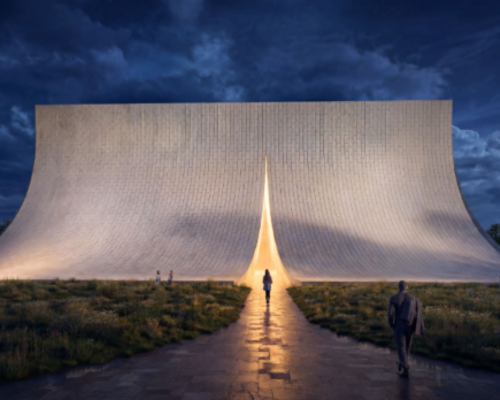
BIG unveils Eve Music Hall as Croatia venue nears completion


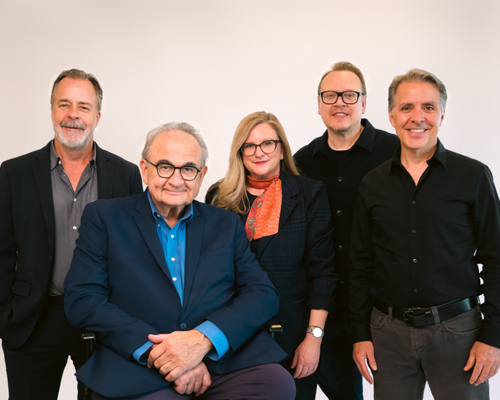
Bob Rogers hands BRC to long-serving leadership team

Wellness care hospital opens in Vilnius with innovative spa and hospitality concept

Universal and Puy du Fou projects point to rise of Oxford–Cambridge corridor
A proposed Puy du Fou development near Bicester and Universal Destinations and Experiences’ planned resort in Bedford are emerging as part of a wider transformation of the Oxford–Cambridge Growth Corridor into a major centre for UK leisure and tourism investment.
For years, the corridor has been associated primarily with science, technology, housing and university-led economic growth. However, the clustering of large-scale visitor attraction projects along the

All-inclusive eco-wellness development Auko to open near Vietnam’s Son Doong caves
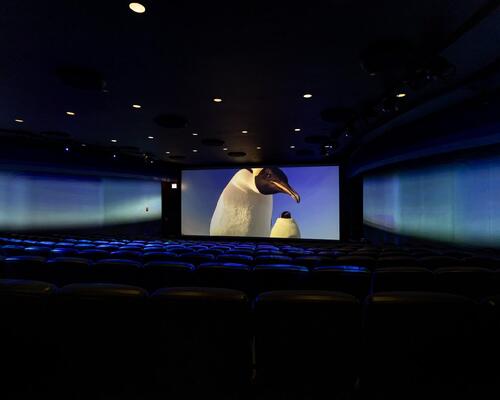
Shedd Aquarium upgrades its visitor experience with new Immersion Theater
Shedd Aquarium has opened the Immersion Theater developed in partnership with SimEx-Iwerks, as part of a wider strategy to enhance the guest experience and create additional revenue opportunities.
The attraction has transformed the aquarium’s Phelps Auditorium into a multi-sensory venue combining panoramic projection, environmental effects and interactive technology.
A new pre-show area allows visitors to engage with augmented reality marine animals before entering the
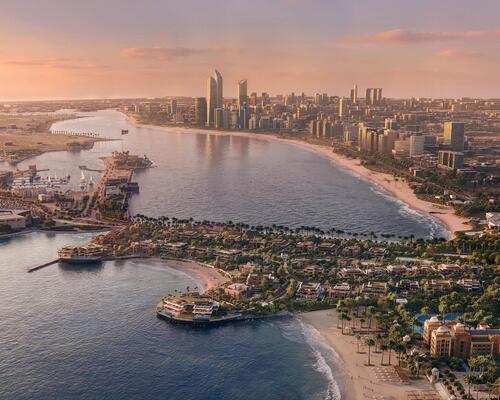
Mandarin Oriental announces standalone Mansions-branded residences for Abu Dhabi
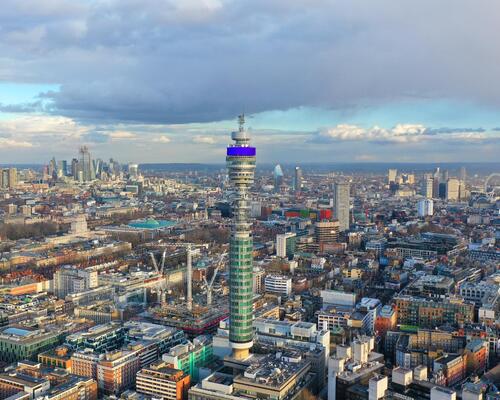
MCR is planning a luxury hotel for London's BT Tower
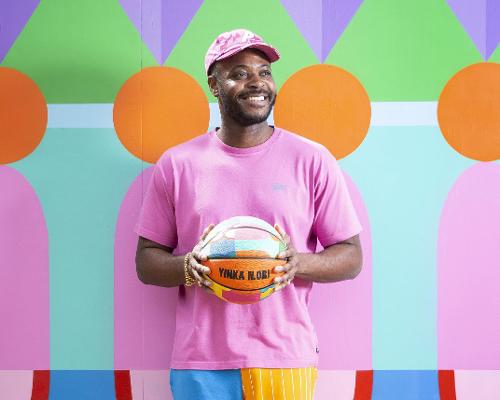
Joy as a radical act: Yinka Ilori launches solo exhibition celebrating the rebellious power of spreading happiness

Work gets underway on Madrid's €800 million leisure complex
Work is underway in Madrid on one of Europe’s most significant multi-functional complexes, combining sport, entertainment, culture and education.
The €800 million initiative to regenerate the former Olympic Aquatic Centre in the north-east of the city, next to the Riyadh Air Metropolitano stadium, is being led by Barsento – a joint venture between Live Nation Entertainment, Oak View Group and Atlético de Madrid. The project will
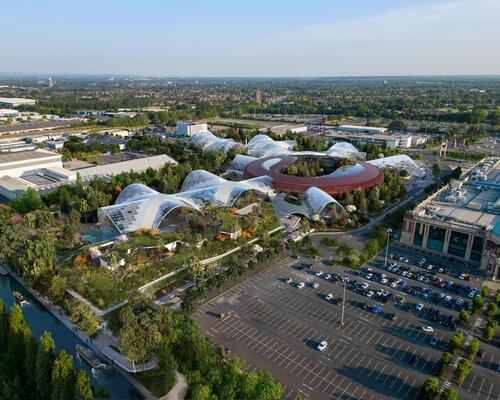
Therme Manchester reveals 90:90 strategy – 90 per cent of the UK population within a 90-minute drive of a Therme

Four Seasons’ Naples Beach Club opens 2,800sq m Sanctuary spa inspired by indigenous Calusa people
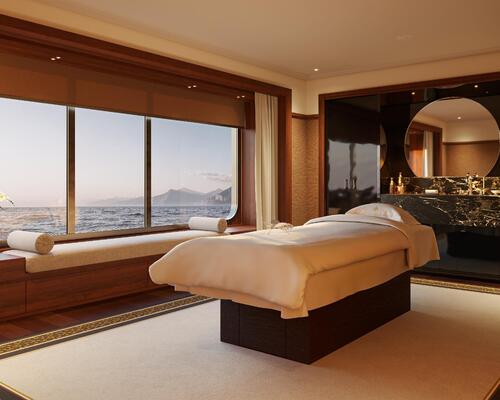
Orient Express Corinthian to host Ocean Rebirth wellness retreat in collaboration with Guerlain
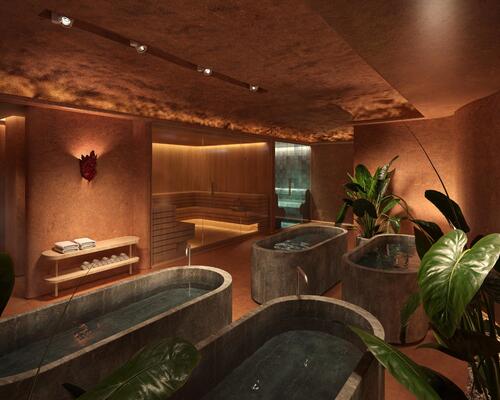
Famed London nightclub, Tramp, launches Tramp Health
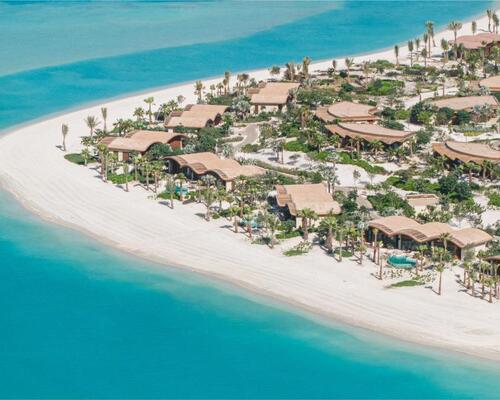
First look: Miraval opens on the Red Sea in Saudi Arabia

Hainan Science Museum by Ma Yansong, opens in China
A new science museum has opened to the public in Haikou after attracting more than 350,000 visitors during a four-month soft opening period.
Designed by Ma Yansong and his practice MAD Architects, the Hainan Science Museum is located on the edge of Wuyuan River National Wetland Park and has already recorded peak attendance of more than 5,800 visitors in a single day.
Commissioned by
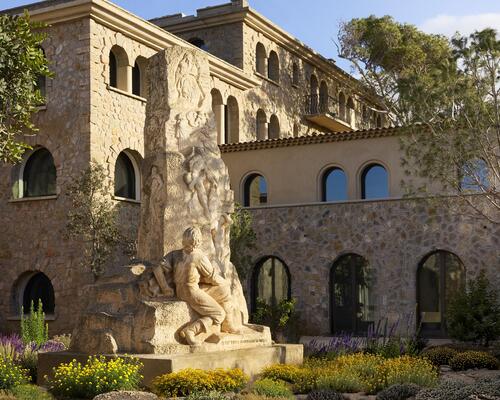
Zannier Île De Bendor launches with design by Hardel Le Bihan Architectes
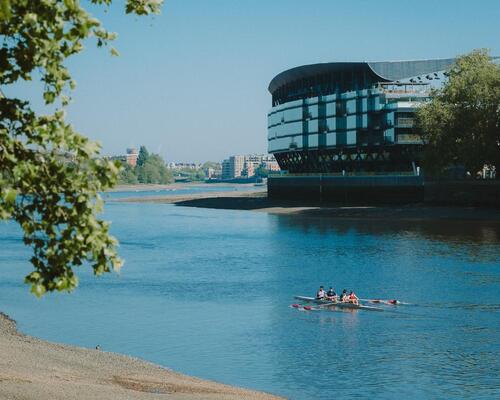
Sæl Spa readies for launch in London: “a modern British sanctuary”
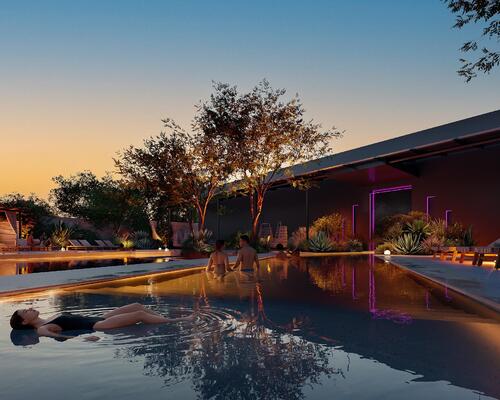
Immersive art bathhouse Submersive announces debut location in Austin

Construction begins on regenerative wellness destination The Shenandoah Nature Resort

Royal Caribbean reveals record-breaking cruise ship
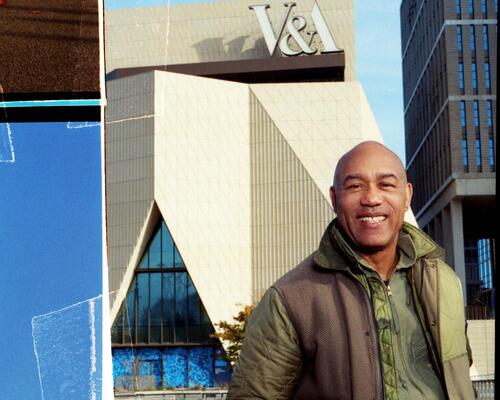
V&A East opens in London
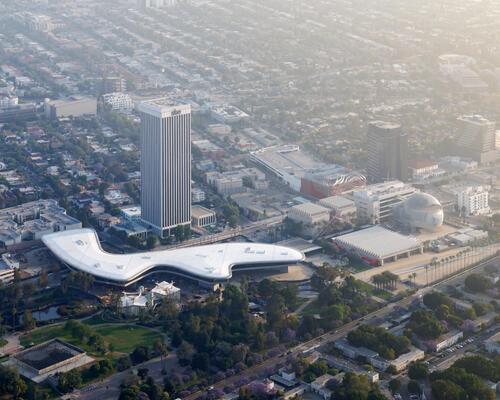
David Geffen galleries open at LACMA

New venue The Lands by Capella includes a longevity centre to complement sister hotel Capella Sydney

World of Frozen launches at Disneyland Paris
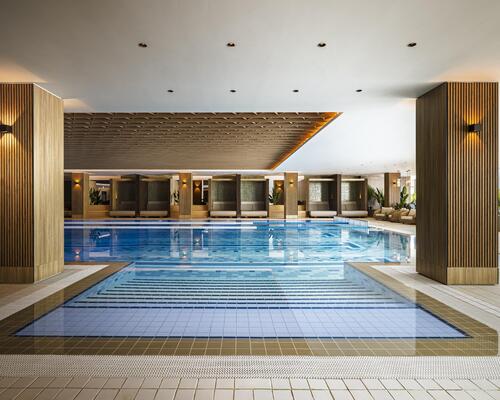
Pical Resort by Valamar reveals first Croatian spa under the ESPA brand

Mandarin Oriental creates end-to-end Egyptian journey with two new hotels and first-ever luxury river cruise

Designers Mendil + Meyer launch new division called Lām Concepts for strategic wellness projects
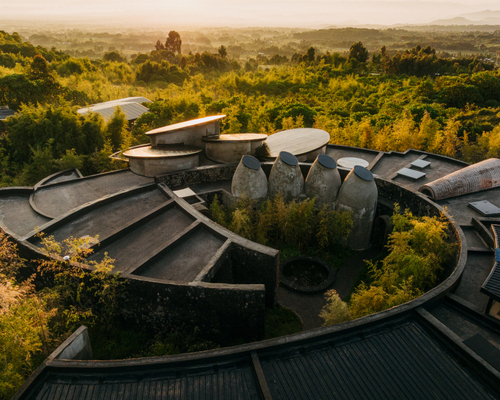
Wilderness Bisate in Rwanda reveals brand’s second Sanctuary spa
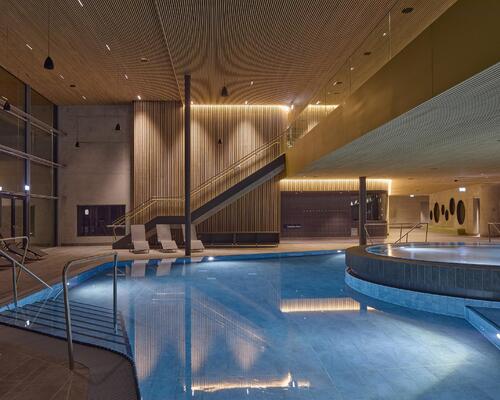
4a Architekten shares details of wellness extension at Salinarium Bad Dürkheim Thermal Spa













Designed to restore neglected land and renew the identity of Iraq’s capital city, Baghdad Sustainable Forests promises a new way of living surrounded by nature. Gensler’s Ian Mulcahay tells us why he thinks the project could become a model for the repair and enhancement of urban centres