Active adults maintained their exercise habits during 2020, but 710,000 more people became inactive



Sport England has reported a drop of 710,000 in the number of people classed as active in England during 2020.
In total, more than a quarter of England's adult population (27.1 per cent) is now classed as physically inactive, ie, those undertaking less than 30 minutes of exercise each week.
In spite of this, the good news is that most adults who are classed as physically active maintained their exercise habits during lockdown.
The figures come from Sport England's latest Active Lives Adult Survey, which also shows that there has been a worrying increase in the number of people who are inactive.
Data in the report reveals that activity levels were hit hardest during the initial phase of the pandemic – the national lockdown between mid-March and mid-May 2020 – when the proportion of the population classed as physically active fell by 7.1 per cent (or more than 3m adults).
During the second phase, as restrictions were eased, activity levels were still down, compared to 2019, but the reductions were smaller. There were 4.4 per cent (2.0m) fewer active adults from mid-May to mid-July 2020, and 3.1 per cent (1.4m) fewer active adults from mid-July to mid-September.
In the third phase of the pandemic, as new restrictions were imposed – but before the full impact of the new national lockdown in November was felt – activity levels decreased by 1.8 per cent and there were 810,000 fewer active adults than in 2019.
The fall in activity more than double in lower socio-economic groups (-2.1 per cent) than those from higher groups (-0.9 per cent) – White British activity levels fell by 1.5 per cent, while Black and Asian fell by 4.5 per cent.
There were patterns in the way that different groups and demographics responded to the easing of restrictions, however, with women less likely to return to activity than men.
Tim Hollingsworth, CEO, Sport England, said: "We know the pandemic has had a huge impact on people’s ability to engage in sport and physical activity, but the reality is it could have been worse.
"It's encouraging to see in the survey that so many still found ways to be active despite the majority of opportunities being unavailable or severely restricted.
"The response of the sector has been remarkable, and I pay tribute to everyone who has worked so hard to keep sport and physical activity going despite the most challenging situation of our lifetime.
"However, today’s report has also reminded us that not everyone has been impacted equally and we owe it to the groups disproportionately affected – women, young people, disabled people, people with a long-term health condition, and those from a Black or Asian background in particular – to do everything we can to help them to return to activity in the coming weeks and months.
"In particular, the decline in activity levels in the 16-24 age group is of major concern - helping and inspiring young people to re-engage with sport and physical activity has now to be a number one priority not just for Sport England but for us all."
Responding to the publication of the report, Huw Edwards, ukactive CEO, told HCM: "The drop in physical activity levels during a period of restricted opportunities for exercise is no surprise, coming at a time when gyms, pools and leisure centres were closed for five months out of 12.
“Fitness and leisure facilities are essential for our nation’s health, forming a vital part of our activity ecosystem, which is evidenced by the impact of their closure, particularly on vulnerable groups such as older adults, ethnic minorities, people with long-term conditions, and those from lower socio-economic backgrounds.
“Reopening these facilities on 12 April was an important step, signalled by the safe return of millions of people to their local clubs and centres. The return of exercise classes on 17 May is the next milestone in our nation’s physical and mental recovery, especially given their popularity among women, who make up 76% of participants.
“However, it is vital the Government recognises the difference between being open and staying open, with fitness and leisure facilities continuing to operate in a restricted capacity due to the safety measures in place.
“Our sector’s ability to survive and then develop to play its fullest role depends on its financial viability but the level of bespoke support has been insufficient to date.
“The Spring Budget failed to deliver support on VAT relief for our sector or to extend the National Leisure Recovery Fund, which was an oversight from the Government. The longer this admission remains unaddressed, the more likely that market failure will lead to more closures across the whole sector.
“These closures mean communities will not be able to access their facilities once again, however, this time it will be through a failure to provide sufficient financial support.
“Further closures will have the greatest impact on the vulnerable in our society, threatening their physical, mental and social wellbeing.
“The Government needs to move with energy and urgency to address this and support the sector that is once again showing it is the nation’s engine room of physical activity.”
Sport England ukactiveCOVID-19: majority of children now fail to meet recommended exercise levels
House of Lords committee to scrutinise UK government's record on increasing participation in physical activity
Parliamentary debate will happen on Monday 23 November, as UK gyms are threatened with January lockdown

BIG unveils Eve Music Hall as Croatia venue nears completion
Bob Rogers hands BRC to long-serving leadership team

Wellness care hospital opens in Vilnius with innovative spa and hospitality concept

Universal and Puy du Fou projects point to rise of Oxford–Cambridge corridor
A proposed Puy du Fou development near Bicester and Universal Destinations and Experiences’ planned resort in Bedford are emerging as part of a wider transformation of the Oxford–Cambridge Growth Corridor into a major centre for UK leisure and tourism investment.
For years, the corridor has been associated primarily with science, technology, housing and university-led economic growth. However, the clustering of large-scale visitor attraction projects along the
All-inclusive eco-wellness development Auko to open near Vietnam’s Son Doong caves
Shedd Aquarium upgrades its visitor experience with new Immersion Theater
Shedd Aquarium has opened the Immersion Theater developed in partnership with SimEx-Iwerks, as part of a wider strategy to enhance the guest experience and create additional revenue opportunities.
The attraction has transformed the aquarium’s Phelps Auditorium into a multi-sensory venue combining panoramic projection, environmental effects and interactive technology.
A new pre-show area allows visitors to engage with augmented reality marine animals before entering the
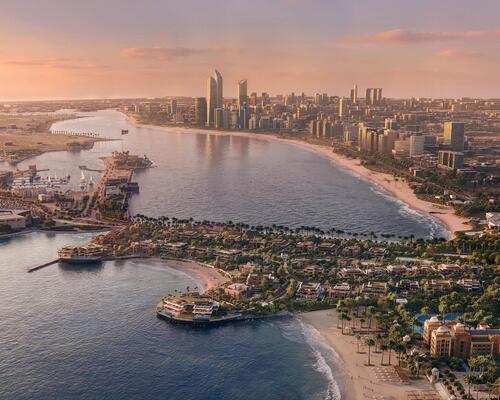
Mandarin Oriental announces standalone Mansions-branded residences for Abu Dhabi
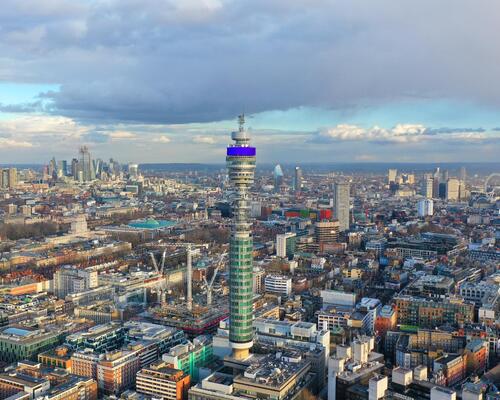
MCR is planning a luxury hotel for London's BT Tower
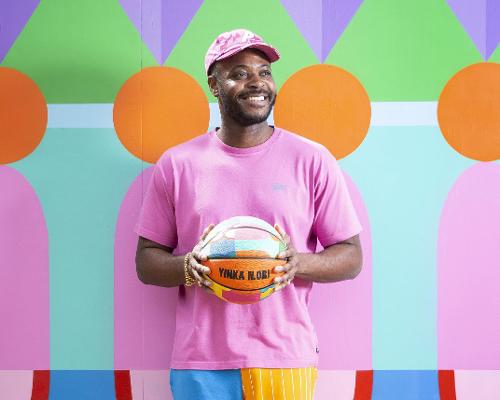
Joy as a radical act: Yinka Ilori launches solo exhibition celebrating the rebellious power of spreading happiness

Work gets underway on Madrid's €800 million leisure complex
Work is underway in Madrid on one of Europe’s most significant multi-functional complexes, combining sport, entertainment, culture and education.
The €800 million initiative to regenerate the former Olympic Aquatic Centre in the north-east of the city, next to the Riyadh Air Metropolitano stadium, is being led by Barsento – a joint venture between Live Nation Entertainment, Oak View Group and Atlético de Madrid. The project will
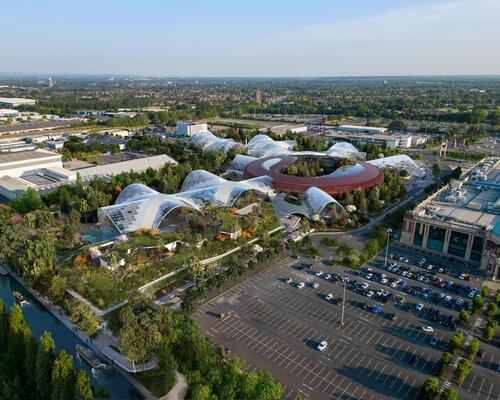
Therme Manchester reveals 90:90 strategy – 90 per cent of the UK population within a 90-minute drive of a Therme

Four Seasons’ Naples Beach Club opens 2,800sq m Sanctuary spa inspired by indigenous Calusa people
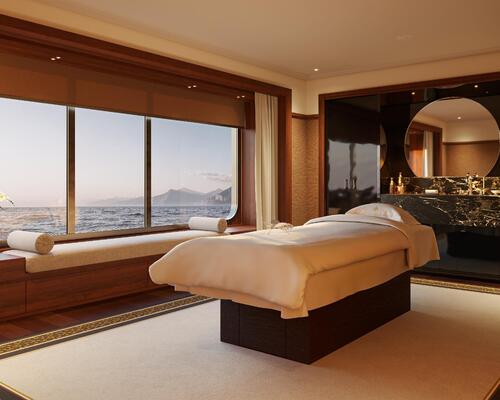
Orient Express Corinthian to host Ocean Rebirth wellness retreat in collaboration with Guerlain
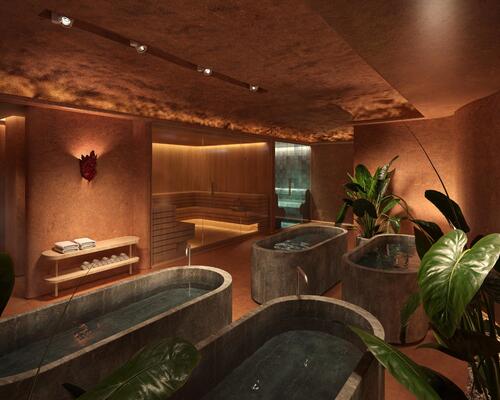
Famed London nightclub, Tramp, launches Tramp Health
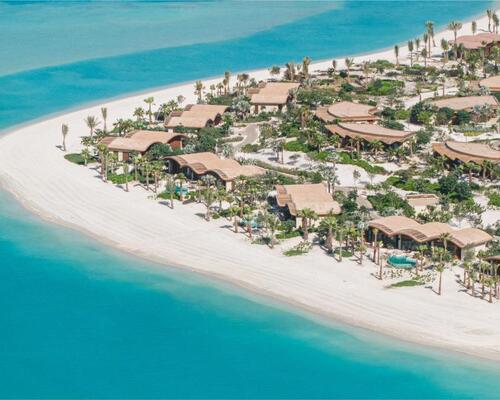
First look: Miraval opens on the Red Sea in Saudi Arabia

Hainan Science Museum by Ma Yansong, opens in China
A new science museum has opened to the public in Haikou after attracting more than 350,000 visitors during a four-month soft opening period.
Designed by Ma Yansong and his practice MAD Architects, the Hainan Science Museum is located on the edge of Wuyuan River National Wetland Park and has already recorded peak attendance of more than 5,800 visitors in a single day.
Commissioned by
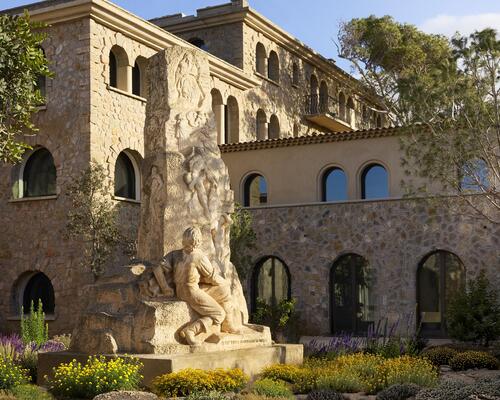
Zannier Île De Bendor launches with design by Hardel Le Bihan Architectes
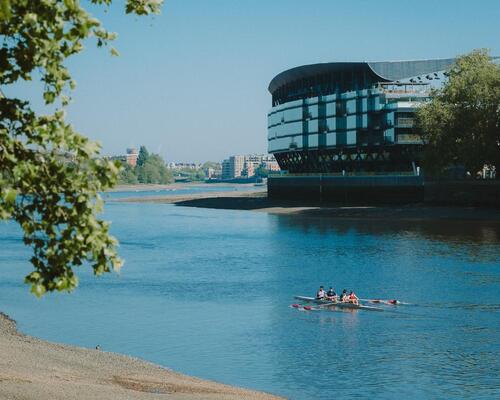
Sæl Spa readies for launch in London: “a modern British sanctuary”
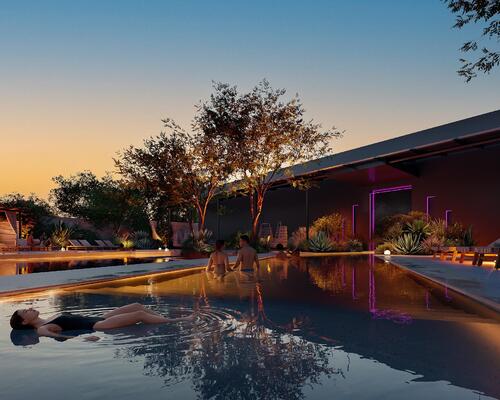
Immersive art bathhouse Submersive announces debut location in Austin

Construction begins on regenerative wellness destination The Shenandoah Nature Resort

Royal Caribbean reveals record-breaking cruise ship
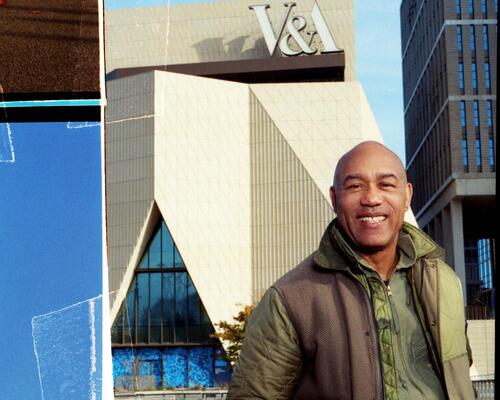
V&A East opens in London
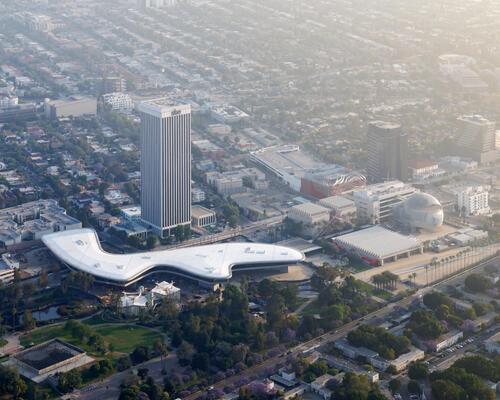
David Geffen galleries open at LACMA

New venue The Lands by Capella includes a longevity centre to complement sister hotel Capella Sydney

World of Frozen launches at Disneyland Paris
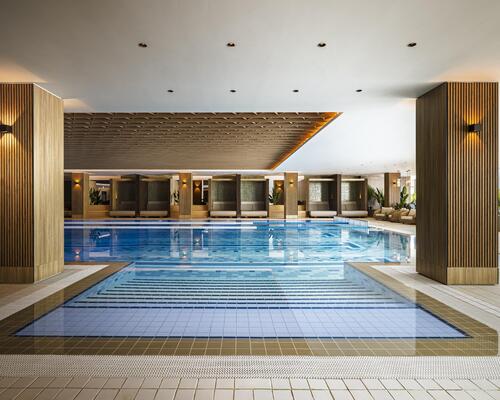
Pical Resort by Valamar reveals first Croatian spa under the ESPA brand

Mandarin Oriental creates end-to-end Egyptian journey with two new hotels and first-ever luxury river cruise

Designers Mendil + Meyer launch new division called Lām Concepts for strategic wellness projects
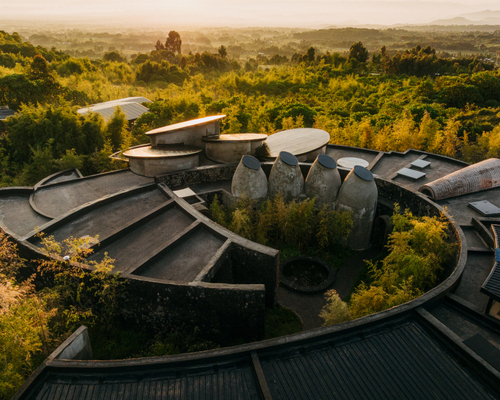
Wilderness Bisate in Rwanda reveals brand’s second Sanctuary spa
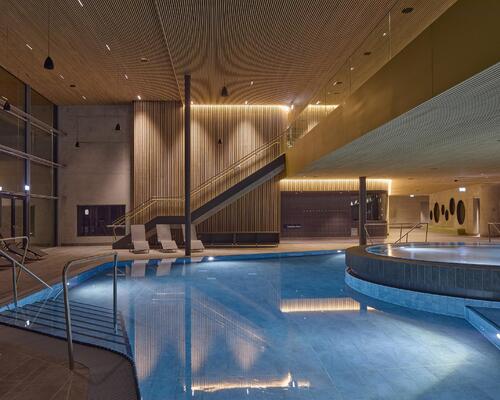
4a Architekten shares details of wellness extension at Salinarium Bad Dürkheim Thermal Spa